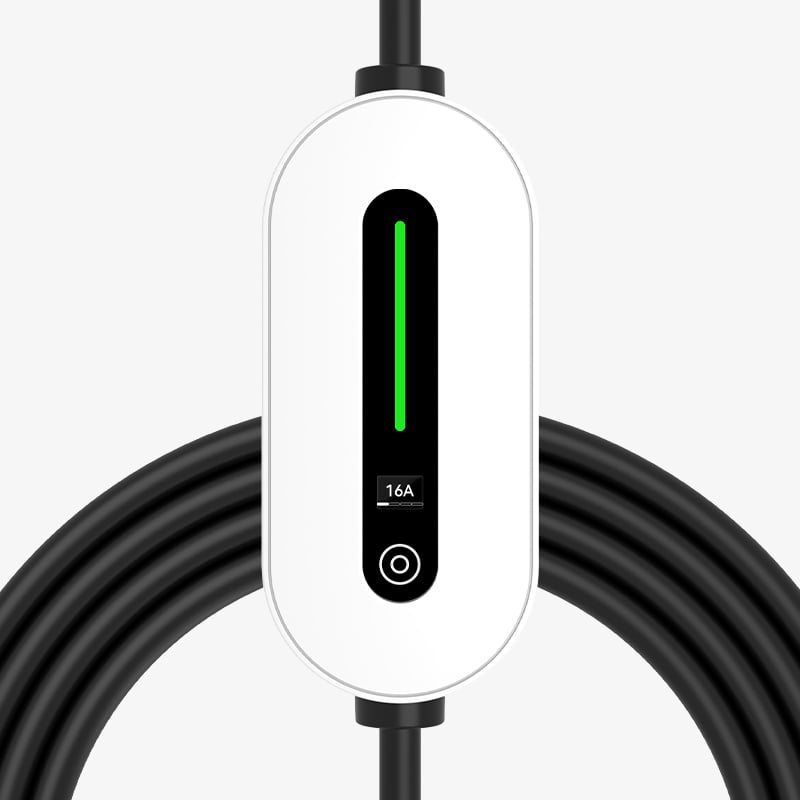
The Type 2 EV charger conforms to the internationally recognized IEC 62196-2 standard, defining its seven-pin connector layout and functional safety requirements. Its design supports both single-phase (230 V) and three-phase (400 V) AC supply—making it adaptable across residential, commercial, and public infrastructure.
Key pins include:
Type 2 single phase installations found mostly in residential settings can push around 7.4 kW when running at 32 amps. Meanwhile, three phase systems which we see more often in commercial spaces or apartment buildings generally handle between 11 kW at 16 amps all the way up to 22 kW at 32 amps. Although technically feasible, higher current levels like 63 amps just don't get much traction in practice because most cars' internal chargers can't handle that kind of power and electrical circuits simply aren't built for such demands. What makes three phase systems stand out is their efficiency advantage. When electricity gets spread across multiple phases instead of one, conductors run cooler too. Some tests show this method cuts down heat buildup by roughly 40 percent compared to what happens with standard single phase connections.
Type 2 is fundamentally an AC-only interface, with no provision for high-voltage DC current pathways. Its architecture intentionally omits the large-diameter, liquid-cooled pins required for direct battery charging—features found in DC fast-charging standards like CCS or CHAdeMO.
Type 2 charging works differently because it depends on what's called the onboard charger or OBC inside the vehicle itself. This component takes the alternating current from the grid and converts it to direct current needed by the battery pack. But there's a catch here. Even if plugged into a strong three-phase power source, most Type 2 setups can't push beyond around 22 kilowatts of power. Looking at the actual cable design reveals another limitation. The copper wires used in these cables were designed primarily for handling AC electricity's heat characteristics, not for sustaining those high amperage DC flows above 100 amps continuously. Such heavy duty work would require special cooling systems and much thicker insulation layers, which simply aren't included in the standard IEC 62196-2 specifications that govern these cables.
As a result, Type 2 falls squarely within Level 2 AC charging, optimized for overnight, workplace, or destination charging—not rapid replenishment. Unlike Level 3 (DC fast) systems that bypass the OBC entirely to deliver 50–350 kW directly to the battery, Type 2 prioritizes interoperability, safety, and cost-effective integration into existing AC infrastructure.
Power output for Type 2 chargers follows the basic electrical formula: Volts × Amps = Watts. With standardized European voltages—230 V (single-phase) and 400 V (three-phase)—amperage becomes the primary variable determining charging rate:
In practice, real-world power delivery depends on three interdependent factors:
For example, while a 63 A three-phase Type 2 unit exists in some industrial specifications, no consumer EV currently supports it. The de facto ceiling remains 22 kW, aligning with the most capable onboard chargers in vehicles like the Kia EV6, Hyundai Ioniq 5, and Polestar 2.
Type 2 power ratings might look promising on paper when it comes to extra range, but what actually happens with energy delivery varies quite a bit in practice. The car's battery management system plays a big role here, constantly tweaking how fast it charges to protect the battery over time. Because of this, those nice round numbers we see for kW output don't always mean exactly the same amount of extra kilometers every hour. Real world conditions matter a lot, and drivers often find their actual experience falls somewhere between the optimistic estimates and reality.
Critical influencing factors include:
So what happens with a 22 kW Type 2 charger? Well, it can give about 35 km per hour charge speed to a mid sized electric vehicle in perfect lab settings. But reality tells another story. During winter months or when trying to get that last bit of charge after already having 80% in the battery, speeds often fall between 10 and 15 km per hour instead. The manufacturer specs usually say something like "up to" X km/h because those numbers represent maximum possible performance, not what most people actually experience day to day. That explains why these chargers work best for situations where timing isn't critical and there's plenty of flexibility. They just aren't great options when someone needs a quick boost right now.
The main industry standards for electric vehicle charging are SAE J1772 in North America and IEC 62196 across Europe. According to these specs, Level 3 charging is basically what everyone calls DC Fast Charging or DCFC for short. This type needs special high power stations that can push between 50 and 350 kilowatts of direct current. What makes it different from other methods is that it skips right past the car's built-in charger and sends the electricity directly into the battery itself. The result? Most vehicles can reach around 80% charge in just 20 to 40 minutes, which is pretty impressive compared to slower alternatives.
In contrast, Type 2 is universally classified as Level 2 AC charging, operating at grid-sourced alternating current (230/400 V). Its reliance on the vehicle’s internal converter imposes hard physical and regulatory limits:
The difference here goes way beyond semantics. We're talking about actual hardware distinctions, how they connect to the power grid, safety measures, and what situations make sense for each type. Type 2 charging stations provide dependable AC power that scales well for everyday needs. People typically use them when they've got some spare time, like charging at home overnight, during lunch breaks at work, or even while running errands at the mall. These units weren't built to race against DC fast chargers in terms of speed. Their whole purpose is different, focusing on convenience rather than quick turnaround times for those urgent situations.
What is the difference between Type 2 and DC fast charging? Type 2 utilizes AC power and is generally slower compared to DC fast charging, which directly delivers high-voltage DC power to the battery for rapid charging.
Can Type 2 chargers be used for fast charging? No, Type 2 chargers are classified as Level 2 AC charging, optimized for longer charging sessions like overnight or workplace charging, rather than rapid boosting.
How does the vehicle's onboard charger affect Type 2 charging? The onboard charger converts AC from Type 2 chargers to DC for the battery, impacting the total charging power and speed capabilities.

 EN
EN