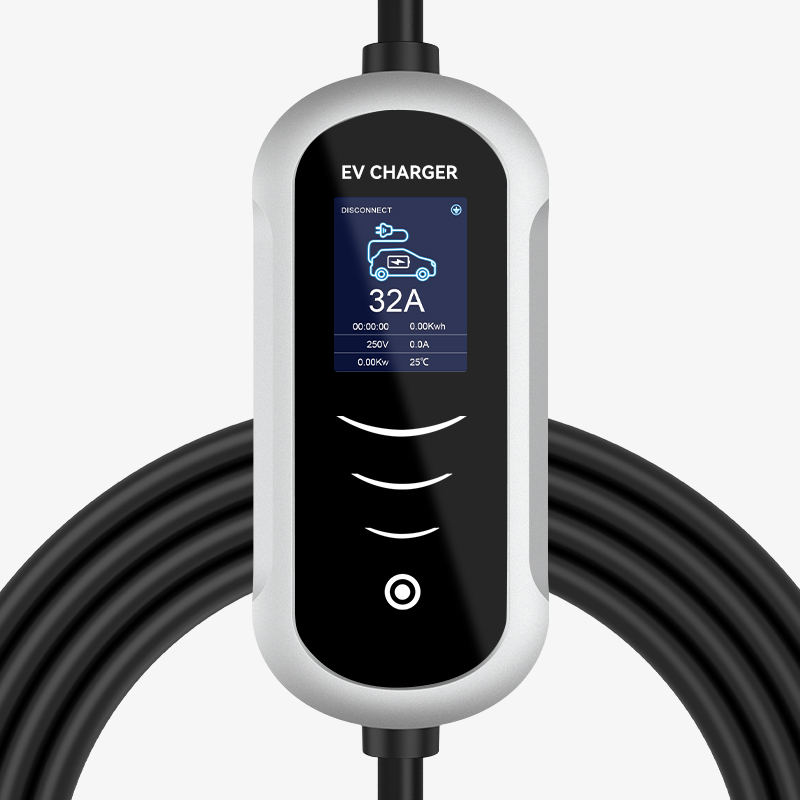
Residential EV Charger Adaptation: Matching Infrastructure, Lifestyle, and Housing TypeElectrical Readiness Assessment: Panel Capacity, Circuit Upgrades, and 120V vs. 240V EV Charger DeploymentBefore installing an EV charger, homeowners must assess t...
VIEW MORE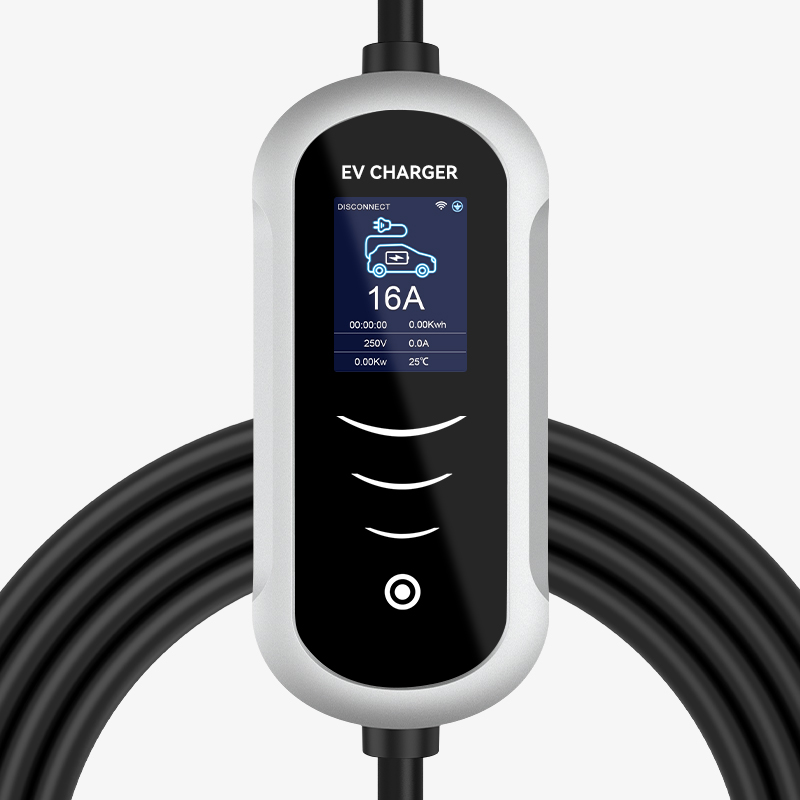
Smart Connectivity and App IntegrationRemote Monitoring, Scheduling, and Charging History via EV AppsModern electric vehicle owners expect more than basic power delivery from a portable EV charger — they need intelligent, on-demand control. A well-de...
VIEW MORE
Eliminate Range Anxiety in Low-Infrastructure Areas with a Portable EV Charger The Rural Charging Gap: Why 42% of U.S. Counties Lack Public DC Fast Chargers Rural America faces a critical EV infrastructure deficit: nearly half of U.S. counties lack...
VIEW MORE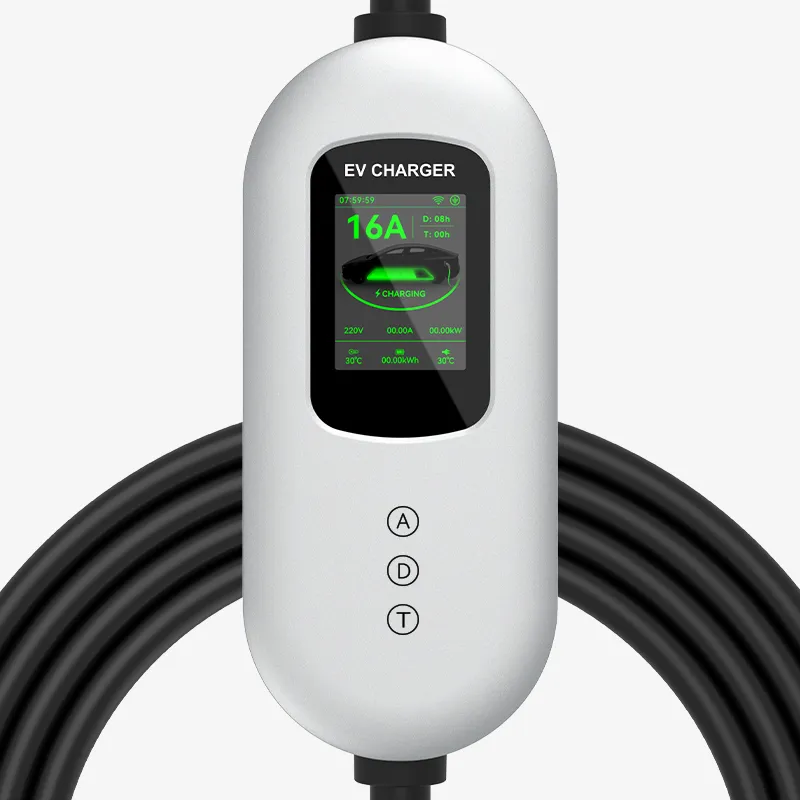
Assess Your Daily Driving Needs to Determine Optimal EV Charger SpeedStart by calculating your daily energy requirements. Multiply your round-trip commute distance by your electric vehicle’s efficiency—typically 3–4 miles per kWh (or ~0.25–0.33 kWh/m...
VIEW MORE
Weatherproof Engineering: IP66 and NEMA 4 Ratings for Reliable Outdoor Use What IP66 and NEMA 4 Really Mean for Outdoor Durability For a Type 2 portable EV charger deployed outdoors, weatherproof ratings are the primary safeguard against environmen...
VIEW MORE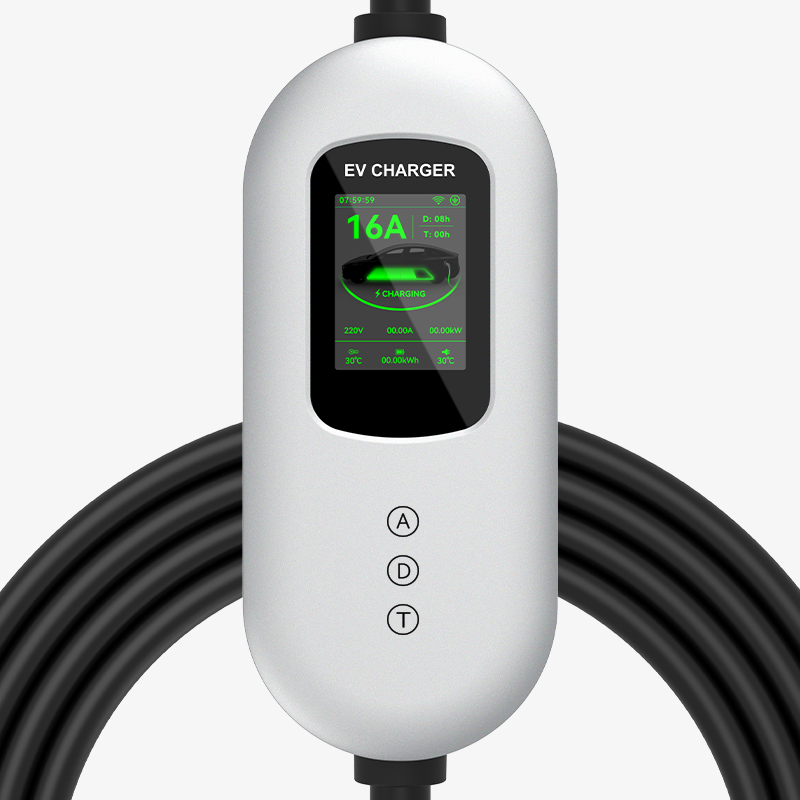
Eliminating Range Anxiety with Reliable EV Charger Networks The psychology of range anxiety and its impact on EV adoption Range anxiety—the persistent fear that an electric vehicle will run out of battery before reaching a charging point&mdas...
VIEW MORE
How Single-Phase EV Chargers Work and Why They Suit Residential Use Core functionality: Converting single-phase AC power to DC for battery charging Single-phase EV chargers draw alternating current (AC) from a home’s standard electrical suppl...
VIEW MORE
Eliminate Location Dependency with Universal Outlet Charging Portable EV chargers transform ordinary electrical outlets into instant charging stations, removing barriers for drivers without dedicated home charging infrastructure. By leveraging stan...
VIEW MORE
Understanding EV Charger Types and Compatibility For a business, selecting the right EV charger begins with understanding connector standards and power levels your fleet will encounter. Chargers fall into three categories: Level 1 (120 V, slow), Le...
VIEW MORE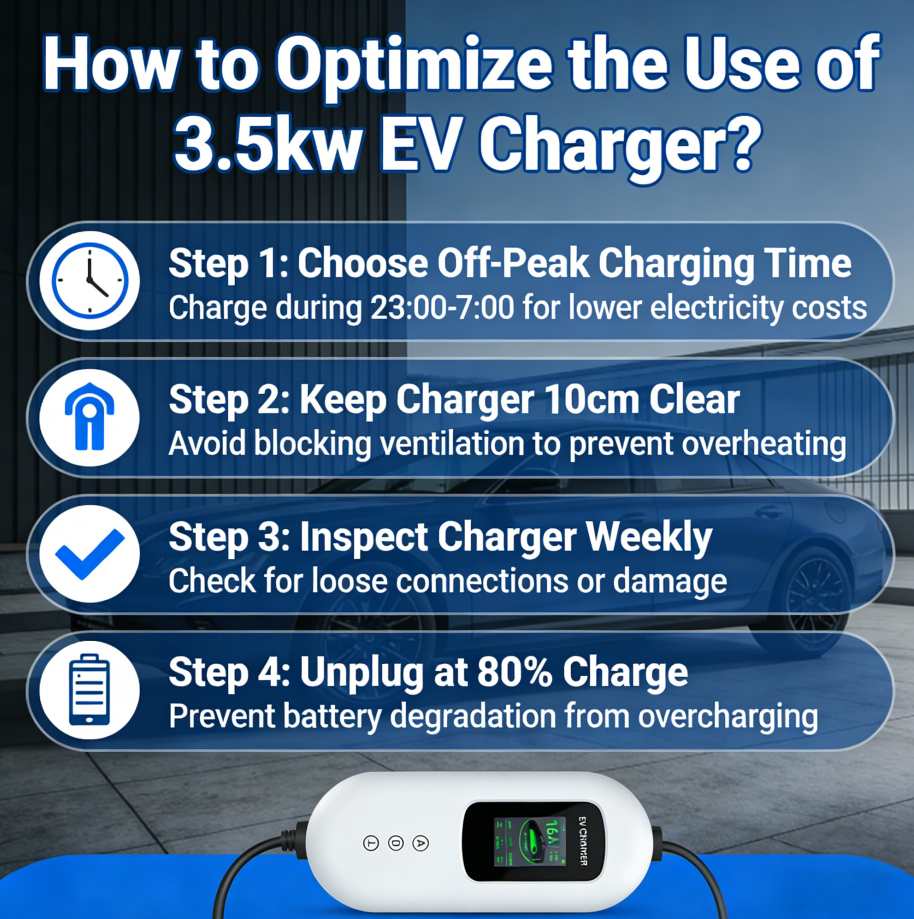
Why 3.5 kW AC Charging Is Strategically Valuable—Not Just 'Slow'The Physics of 16A/230V AC Charging: Efficiency, Heat, and Safety MarginsAn EV charger rated at 3.5 kW works on regular home electrical setups at 16 amps and 230 volts while ke...
VIEW MORE
 EN
EN