
 EN
EN
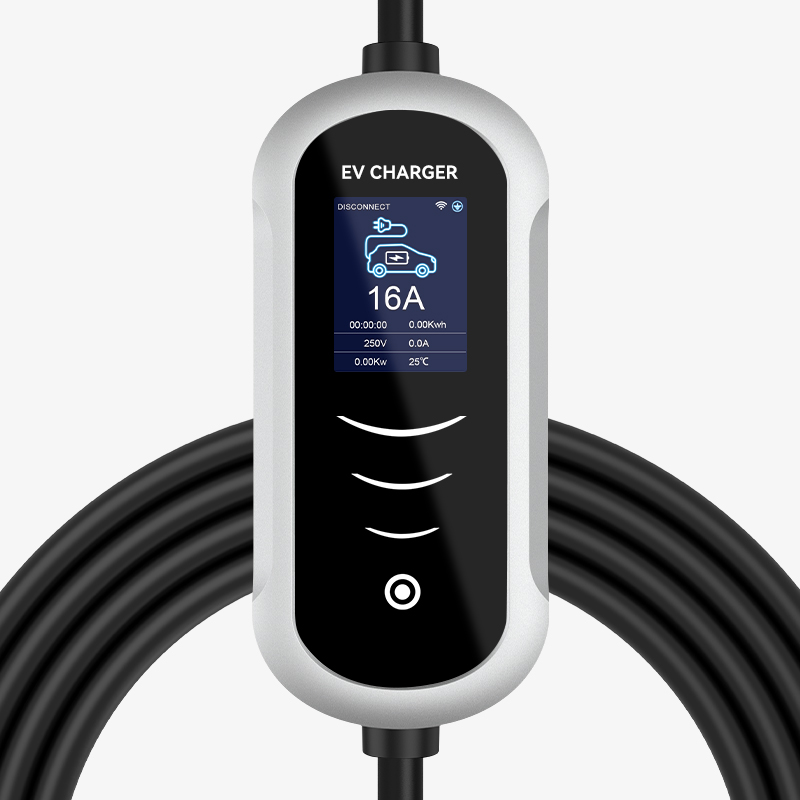
Understanding EV Charger Types and Compatibility
For a business, selecting the right EV charger begins with understanding connector standards and power levels your fleet will encounter. Chargers fall into three categories: Level 1 (120 V, slow), Level 2 (240 V, typical for daily workplace use), and DC fast chargers (480+ V, rapid top-ups). Each level uses different plugs. In North America, the SAE J1772 connector is standard for Level 2 AC charging, while the Combined Charging System (CCS) integrates both AC and DC fast-charging into one port. CHAdeMO—common among Japanese automakers—supports DC charging but requires a separate inlet. Many newer vehicles support both CCS and CHAdeMO, but older models may be limited.
Compatibility directly affects charging speed and station usability. If your fleet includes different makes, you may need multi-standard chargers or adapters. Before purchasing, verify each vehicle’s plug type and maximum charge rate. Misalignment can lead to slower charging, damaged equipment, or installation delays. A unified charger type across your fleet simplifies operations and reduces long-term costs. Consulting a supplier that offers multiple connector options ensures flexibility for future vehicle additions without major infrastructure overhauls.
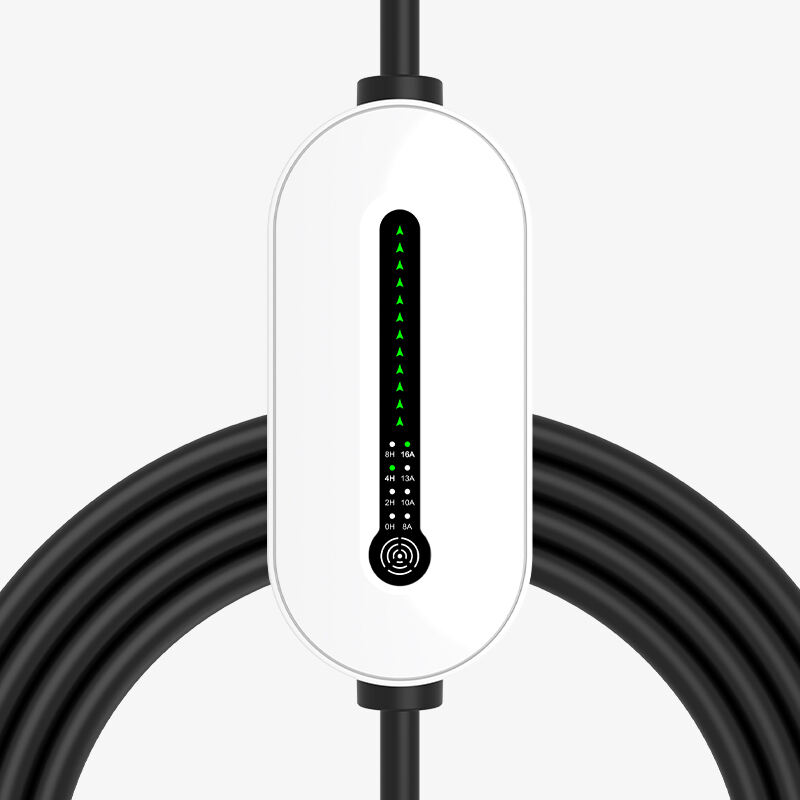
Evaluating Power Requirements and Charging Speed
Charging speed is determined by the station’s output power—measured in kilowatts (kW)—which equals voltage multiplied by current (P = V × I). The table below summarizes the most common charging levels for commercial applications.
| Charging Level | Voltage (V) | Power (kW) | Typical Charging Time (to 80%) | Best Use Case |
|---|---|---|---|---|
| Level 2 (AC) | 240 | 3.3 – 19.2 | 3 – 8 hours | Workplace, fleet depots |
| DC Fast Charging | 400 – 900+ | 50 – 350+ | 20 minutes – 1 hour | Highway corridors, high-turnover lots |
Match the charger’s power output to your fleet’s average daily mileage and the time vehicles spend parked. A faster charger only delivers value if the vehicle’s battery can accept that power—charging slows or stops once the battery reaches its thermal or state-of-charge limit. Also consider grid capacity: high-power DC chargers may require a transformer upgrade or additional cooling infrastructure. If vehicles sit for several hours overnight, Level 2 often provides sufficient range while keeping installation and operational costs lower.
Assessing Installation, Infrastructure, and Grid Readiness
Before purchasing an EV charger, conduct a thorough site evaluation to avoid costly surprises. Inspect electrical panel capacity, available amperage, and wiring condition to confirm they can handle the added load. Many commercial buildings require a dedicated circuit or panel upgrade—especially for high-power DC stations. Coordinate with your local utility early to verify transformer and distribution line capacity; voltage drops under load can impair performance and damage equipment.
A professional site survey should also assess floor load ratings, overhead clearance, and accessibility for maintenance. Compliance with local building codes and permitting requirements is non-negotiable—failure to secure approvals can delay deployment or trigger fines. Addressing these infrastructure factors upfront minimizes risk, accelerates commissioning, and ensures reliable operation from day one.
Selecting an EV Charger with Scalable Management and ROI Features
Scalability ensures your EV charger network can grow without major overhauls. Choose modular hardware and open-protocol systems such as OCPP (Open Charge Point Protocol) to simplify integration, upgrades, and interoperability with third-party software. A flexible platform lets you add stations, users, or distributed energy resources as demand evolves—protecting your initial investment.
Smart Connectivity and Fleet Monitoring Capabilities
Cloud-connected chargers deliver real-time data on energy consumption, session duration, vehicle readiness, and fault diagnostics. Fleet operators benefit from dynamic load balancing—which reduces peak demand charges—and remote troubleshooting that cuts downtime. Integrating IoT sensors and AI-driven scheduling tools helps optimize charging windows, extend hardware lifespan, and unify oversight across multi-site deployments.
Incentives, TCO Analysis, and Long-Term Cost Savings
Federal and local incentives—including the IRS §30C tax credit—can offset up to 30% of hardware and installation costs. Pairing these with utility rebates and time-of-use electricity rates further improves economics. Calculating total cost of ownership (TCO) over five to ten years—factoring in hardware, installation, maintenance, energy, and software subscriptions—reveals true operational savings. Aligning grant applications with a scalable, future-ready architecture ensures maximum financial return without oversizing infrastructure upfront.
FAQ
What charging levels are available for EVs?
There are three main charging levels: Level 1 (120 V, slow), Level 2 (240 V, medium-fast), and DC fast chargers (480+ V, very fast).
What connectors are commonly used for EV charging?
In North America, the SAE J1772 connector is standard for Level 2 AC charging. For DC fast charging, CCS and CHAdeMO are the most common standards.
How do I choose the right EV charger for my fleet?
Consider factors like connector compatibility, power output, grid capacity, and your fleet's average daily mileage or charging needs.
Do I need to upgrade infrastructure for high-power DC chargers?
Yes. Many sites require dedicated circuits, upgraded panels, or additional cooling infrastructure for high-power chargers.
What financial incentives are available for EV charger installation?
Federal and local incentives, including the IRS §30C tax credit, along with utility rebates, can significantly reduce the cost of EV charging infrastructure.
Why is scalability important for EV charger networks?
Scalability allows you to expand your network as your fleet grows, minimizing long-term costs and enabling seamless integration of new technologies.