
 EN
EN
Electrical Safety and Installation: Compliance with NEC and National Codes
NEC Article 625: Core Requirements for EV Supply Equipment (EVSE)
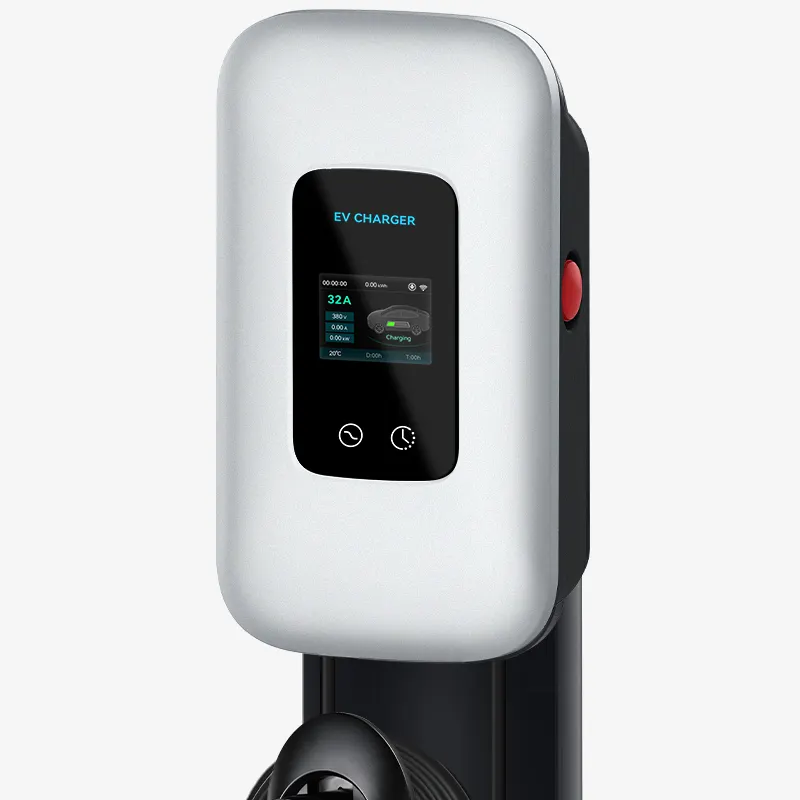
Section 625 in the National Electrical Code lays out essential safety rules when installing electric vehicle charging equipment. The code specifies that these stations should not sit in areas where they might get hit by vehicles, needs at least 18 inches of space between the bottom of the unit and the ground surface, and outdoor models must have covers that resist water damage. There's also a requirement for an emergency shut off switch that can be seen clearly from every charging spot. Plus, all parts handling high voltage need proper labels so technicians know exactly what they're working with when performing maintenance tasks. These guidelines help keep everyone safe while making sure the equipment functions properly over time.
GFCI Protection, Grounding, and Overcurrent Protection per NEC 2023
According to the 2023 National Electrical Code, every electric vehicle supply equipment outlet needs ground-fault circuit interrupter protection. The GFCIs trip when leakage current goes above 20 milliamps, which is really important for keeping people safe from getting shocked. Better grounding rules help create those low impedance paths for faults, and the overcurrent devices have to line up with what the conductors can handle. Since EV charging counts as continuous load, electricians need to size circuits so they only run at 80% of their maximum rating. Take a 50 amp circuit for instance it can actually only support around 40 amps continuously without overheating. All these different safety layers work together to tackle the main reasons behind electrical fires that happen when someone sets up their EV charging wrong at home or in commercial settings.
Circuit Sizing, Conductor Ampacity, and Thermal Management Considerations
When designing circuits for electric vehicle charging stations, engineers need to pay close attention to voltage drops across the system. For Level 2 chargers specifically, keeping this drop below 5% is essential to ensure both efficient operation and longer life span of the equipment involved. The conductors used in these installations have to meet standards outlined in NEC Table 310.16. But there's another consideration too: when ambient temperatures rise above 86 degrees Fahrenheit, those conductors need to be adjusted downward in capacity. That's why many professionals recommend using copper wiring rated at 90 degrees Celsius, which gives extra protection against heat buildup. Thermal monitoring systems play a critical role as well. These sensors will cut back on current flow whenever internal temperatures hit around 140 degrees Fahrenheit. This automatic response helps prevent damage from overheating components, especially since degraded insulation remains one of the main reasons why EVSE units fail prematurely in real world conditions.
Equipment Certification and International Standards: UL, IEC, and ISO
UL 2594 and UL 2231: Safety Certification for AC and DC Charging Systems
The UL 2594 standard is all about making sure AC charging gear meets basic electrical safety requirements like proper insulation resistance and keeping leakage currents within safe limits. Then there's UL 2231 which focuses on protecting workers through ground fault monitoring systems that work for both AC and DC setups. Getting certified isn't just paperwork either. Equipment must pass tough tests in extreme situations, including simulated heat stress when temperatures reach around 50 degrees Celsius. Companies want their products certified so they need to let inspectors look around their facilities and send fresh test results every three years to keep that certification active. And let's face it folks, if manufacturers skip these standards, we end up seeing way too many problems with home electrical systems failing because of substandard equipment.
IEC 61851-1 and IEC 62196: Global Charging Interface and Connector Standards
The IEC 61851-1 standard outlines how electric vehicles and their charging stations communicate during the charging process, covering four different charging modes that correspond to various power delivery levels. Meanwhile, the IEC 62196 standard deals with the physical connectors themselves. This includes common types like Type 1 (also known as J1772), Type 2 (Mennekes plug), and the combined charging system (CCS) variants. These standards are crucial because they allow different systems to work together seamlessly. For instance, even though European CCS2 connectors look different from North American CCS1 ones, they still function properly together thanks to their shared communication protocols. And when it comes to durability, all officially certified connectors need at least an IP54 rating, which basically means they can withstand dust and water spray from any direction without failing. This level of protection ensures reliable performance even in less than ideal weather conditions.
ISO 15118: Enabling Secure Plug-and-Charge and Vehicle-to-Grid (V2G) Integration
ISO 15118 brings secure digital authentication to the table through a PKI framework, which makes plug-and-charge possible when cars can recognize their owners automatically thanks to those little digital certificates built right into them. What's really interesting about this standard is how it handles two-way energy flow for Vehicle-to-Grid (V2G) stuff too. The specs actually define pretty detailed power control protocols so everything works smoothly. When it comes to communication between vehicle and charger, there are options like Power Line Communication or good old Ethernet cables, capable of moving data at speeds around 10 Mbps. And let's not forget about those smart load management tools that come standard. These features constantly tweak charging speed based on what's happening with the electrical grid at any given moment, which helps keep things from getting overloaded during peak times.
Communication and Network Interoperability: OCPP, OCPI, and SAE Protocols
OCPP 1.6J and 2.0.1: Remote Management, Monitoring, and Firmware Updates
The Open Charge Point Protocol, commonly known as OCPP, makes it possible for electric vehicle charging stations from different manufacturers to work together remotely. With OCPP in place, operators can monitor station status in real time, get automatic warnings when there's a connection problem or hardware failure, and push out software updates from one central location instead of sending technicians out manually all the time. Version 2.0.1 brought some major security improvements including encryption for communications and built-in compatibility with the ISO 15118 standard that allows vehicles to charge automatically once connected. For those managing large networks of chargers, OCPP lets them keep track of every charging session through detailed logs containing meter readings, plus they can send commands like restarting a faulty unit right from their control panel without needing anyone at the physical location.
OCPI 2.2: Enabling Roaming and Cross-Network Billing for EV Users
OCPI version 2.2 basically creates standardized roaming agreements among different EV charging networks, so drivers can plug in anywhere without hassle. The system brings together things like authorization tokens, how sessions start, and all sorts of real time info about stations being available, what they cost, and those price changes that happen on the fly. When someone logs in through their main charging provider, they automatically get access to other compatible stations too. All the session data gets sorted out behind the scenes between different platforms. These standardized application programming interfaces make it possible to connect with various payment systems, which means users receive one single monthly bill covering all their charging across different networks.
Plug Compatibility and the Shift Toward NACS in North America
J1772, CCS1, CHAdeMO, and NACS: Coexistence and Industry Transition
The EV charging landscape across North America includes multiple connector types right now. We have J1772 connectors for Level 2 AC charging, CCS1 ports for faster DC charging sessions, and older installations still using CHAdeMO technology. The market though seems to be moving toward something called the North American Charging Standard, or NACS for short. This new standard offers a single compact port capable of handling both AC and DC charging needs. Officially recognized under SAE J3400 standards later this year, NACS can deliver impressive power levels reaching up to 1 megawatt on DC circuits. It also connects to what many consider the biggest public charging network available today. Most big car manufacturers are planning to equip their vehicles with built-in NACS ports starting around 2025, which means fewer adapter headaches for drivers. For those going through the transition period, don't worry too much. The old CCS1 and J1772 stations will stay functional thanks to universal adapters and multi-standard charging units. This setup keeps things running smoothly for current EV owners while making sure that infrastructure money isn't wasted on outdated systems.
Regulatory and Operational Compliance: Local Laws and Technician Standards
State and Provincial Regulations: CA Title 24, NY RevStat §32, and CSA C22.3 No. 10
When it comes to electric vehicle supply equipment (EVSE), following national codes is just the starting point. Regional rules also play a big role in where and how these systems get installed. Take California for instance, where Title 24 requires new buildings to have EV ready infrastructure with proper electrical circuits and enough panel space. Across the river in New York, RevStat Section 32 focuses on making sure public charging spots are accessible to everyone, which means clear signs and easy to use payment systems at the stations themselves. Up north in Canada, the CSA C22.3 No. 10 standard deals specifically with how utilities connect to the grid and what kind of spacing needs to be maintained around equipment. Most of these local regulations demand permits before installation can begin, plus regular reports on operations. There are also financial incentives for companies that follow the rules properly. On the flip side, not sticking to these guidelines can lead to serious consequences including fines as high as fifty thousand dollars for each violation according to NREL data from 2023, plus major holdups in getting projects completed on time.
NFPA 70E and OSHA 1910.333: Electrical Safety Training for EV Charger Maintenance
When it comes to keeping technicians safe during EVSE maintenance work, there are specific standards that must be followed. The NFPA 70E standard sets out clear guidelines regarding arc flash boundaries and insists on wearing flame resistant protective gear whenever working on live electrical systems. Meanwhile, OSHA regulation 1910.333 lays down requirements for proper lockout/tagout procedures along with using insulated tools for any circuit work exceeding 50 volts. Training programs typically cover several key areas including conducting thorough hazard assessments prior to servicing equipment, knowing what to do in case of emergency shutdowns especially during those rare but dangerous thermal runaway situations, and verifying grounding connections particularly important for DC fast charging stations. Workers need to attend annual refresher sessions just to stay current with their clearance status. Companies that follow these safety protocols see a dramatic drop in workplace injuries around 67 percent according to recent BLS data from 2024. Plus, they avoid costly equipment failures which can run upwards of seven hundred forty thousand dollars each time something goes wrong.
FAQs
What is NEC Article 625?
NEC Article 625 provides essential safety rules for installing electric vehicle supply equipment, addressing aspects like placement, emergency shut off switch requirements, and labeling for maintenance.
Why is GFCI protection important for EVSE?
GFCI protection is crucial for preventing electric shock by tripping when leakage current exceeds safe limits, thus safeguarding users from potential electrical hazards.
How do international standards like UL and IEC impact EVSE safety?
International standards like UL and IEC ensure the safety of AC and DC charging systems through rigorous testing, promoting reliable operation and minimizing risks associated with substandard equipment.
What role does ISO 15118 play in EV charging?
ISO 15118 facilitates secure plug-and-charge integration and enables Vehicle-to-Grid systems through detailed power control protocols, enhancing the efficiency of EV charging infrastructure.
How do local regulations affect EVSE installations?
Local regulations, such as CA Title 24 and NY RevStat Section 32, dictate specific requirements for EVSE installations, ensuring accessibility, compliance, and safety through permits and regular reporting.
Table of Contents
- Electrical Safety and Installation: Compliance with NEC and National Codes
- Equipment Certification and International Standards: UL, IEC, and ISO
- Communication and Network Interoperability: OCPP, OCPI, and SAE Protocols
- Plug Compatibility and the Shift Toward NACS in North America
- Regulatory and Operational Compliance: Local Laws and Technician Standards
- FAQs