
 EN
EN
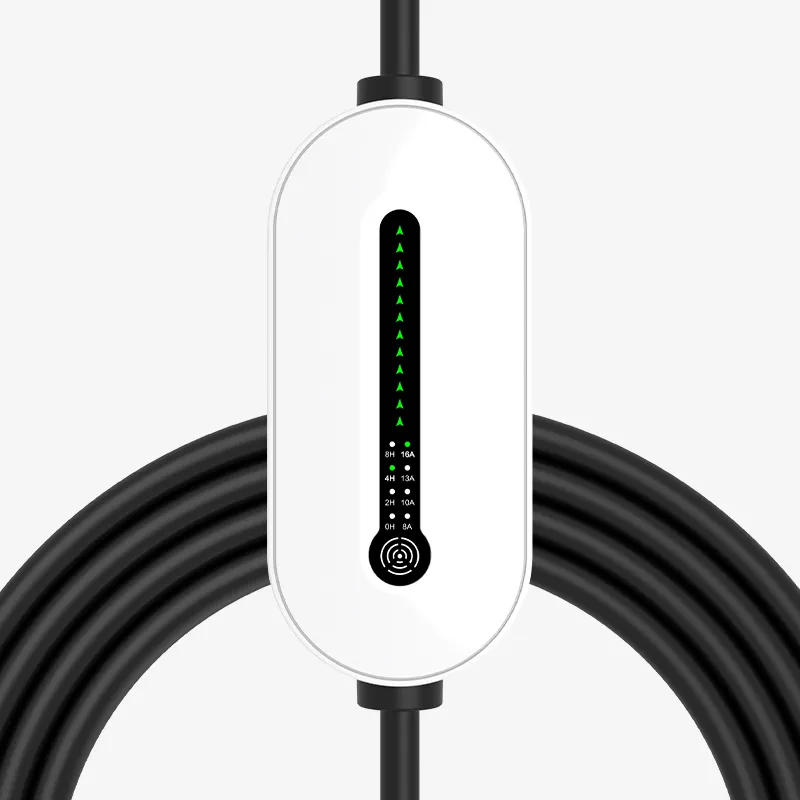
Electrical Requirements of a 7kW 32A EV Charger
Voltage and Amperage Specifications for 7kW EV Chargers
The 7 kW Level 2 home charger works with standard household electricity at around 230 to 240 volts AC while drawing about 32 amps continuously. This setup typically adds between 25 and 30 miles of driving range each hour, making it great for charging overnight when most people aren't using their cars anyway. For things to run smoothly without any problems, the voltage should stay somewhere between 207 and 253 volts give or take 10%. If it drops too low or spikes too high, the car's battery management system might get confused or even shut down completely. Most experts suggest going with those heavy duty outlets designed specifically for this kind of work since they can withstand several hours of constant charging without overheating or failing during long winter nights when everyone wants maximum charge before heading out in the morning.
Calculating Current Draw: How 7kW at 230V Equals ~32A
Power, voltage and current are connected through a simple equation most electricians know by heart: Watts equals Volts multiplied by Amps. Let's look at an example. When operating at standard household voltage of 230 volts, a typical 7 kilowatt charger pulls around 30 amps (7000 divided by 230 gives roughly 30.4 amps). Electrical codes generally round this number up to 32 amps for safety margins. But there's another important factor called the continuous load rule which adds 25% to account for long term usage. So we take our 30.4 amp figure and multiply it by 1.25, landing us at about 38 amps. That means a proper installation needs a minimum of a 40 amp circuit breaker. The extra capacity prevents wires from getting too hot when charging runs for hours on end. Most wiring regulations like BS 7671 set maximum temperature limits around 70 degrees Celsius to protect both equipment and people from electrical hazards.
Why 32A Is the Standard for Level 2 Home EV Charging
For most homes, the 32A single phase setup has pretty much become the go to option because it strikes a good balance between how well it works, what it can connect to, and just makes sense for everyday use. The 22kW three phase alternatives require expensive rewiring of household circuits, something many homeowners want to avoid. Most 32A charging units will fit right into existing home electrical panels without needing major modifications. At 32 amps, vehicles get charged pretty quickly but still stay within safe temperature ranges for regular 6mm² wiring across normal installation lengths. Major international standards like IEC 62196 and SAE J1772 back up this configuration, meaning almost all electric cars on the market today will work with it. Plus, households benefit from lower peak demand fees on their electricity bills compared to higher amperage options.
Selecting the Right Cable Size: 6 mm² vs. 10 mm² for 32A Circuits
Current-Carrying Capacity: 6 mm² Copper Under BS 7671 and NEC Standards
The UK's BS 7671 and the US NEC both allow using 6 mm² copper cables for 32 amp circuits, but only under certain installation setups. According to BS 7671, this works well for clipped direct installations known as Reference Method C. Things get interesting with the NEC though. Their rating for similar 10 AWG (which is about 6 mm²) THHN wire at 60 degrees Celsius actually caps out at just 30 amps. That falls short of the needed 40 amps once we apply the 125% rule requirement. When looking at larger cables like 10 mm², the numbers change significantly. These can handle up to 43 amps according to BS 7671 standards and still manage 40 amps under NEC guidelines. This makes them much better suited for applications where loads run continuously without interruption, ensuring compliance with safety regulations across different regions.
| Factor | BS 7671 Rating | NEC Rating (THHN) |
|---|---|---|
| 6 mm² Cable | 32A (Method C) | 30A (60°C) |
| 10 mm² Cable | 43A (Method C) | 40A (60°C) |
Local regulations may impose additional requirements, so always verify jurisdiction-specific amendments before finalizing cable selection.
Thermal Derating and Continuous Load: Why 32A Demands 125% Circuit Capacity
Electric vehicle chargers fall into what's called continuous load category since they typically run for more than three hours straight. This means the electrical wiring and protective gear need to handle about 125% of their normal current rating. So a standard 32 amp charger actually requires circuits capable of handling 40 amps. Things get complicated when we factor in thermal issues. For instance, a regular 6 square millimeter cable running through conduit at around 50 degrees Celsius might only safely deliver about 24 amps, which isn't enough for proper operation. That's why many installers recommend going with the thicker 10 square millimeter cables instead. These larger wires create better safety buffers and help avoid dangerous overheating situations when faced with all sorts of environmental challenges during actual installation scenarios.
Why 10 mm² Is Often Preferred Despite 6 mm² Being Code-Compliant
Although 6 mm² may meet minimum code requirements in controlled environments, 10 mm² is increasingly recommended for 32A EV charger installations due to three key advantages:
- Future-Proofing: Supports potential upgrades to 11kW or higher chargers without rewiring
- Voltage Stability: Minimizes voltage drop over distances exceeding 15 meters, preserving charging efficiency
-
Safety Buffer: Compensates for heat buildup from conduit bundling, attic routing, or high ambient temperatures
Despite higher initial material costs, 10 mm² cable reduces long-term risks and ensures reliable, high-performance charging.
Managing Voltage Drop Over Distance in EV Charger Installations
Maximum Cable Run Lengths for 6 mm² and 10 mm² at 32A
Voltage drop is directly proportional to cable length and current, governed by Ohm’s Law (V = I × R). For copper conductors at 32A:
- 6 mm² cable is limited to 35–40 meters before exceeding the recommended 3% voltage drop threshold
- 10 mm² cable extends the maximum run to 55–60 meters under the same conditions
Maintaining voltage above 223V in a 230V system ensures compatibility and full 7kW power delivery. Exceeding these distances without upsizing the cable risks undervoltage conditions that impair charger operation.
How Voltage Drop Affects Charging Efficiency and Equipment Longevity
Low voltage leads to cascading performance and safety issues in 7kW 32A EV charging systems:
| Impact Area | Consequence | Mitigation Strategy |
|---|---|---|
| Charging Speed | 10% voltage dip = 20% power loss | Maintain <3% voltage variance |
| Battery Health | Repeated under-voltage cycles degrade cells | Ensure stable 220V+ supply |
| Component Lifespan | 30% increased failure rate in low-voltage conditions | Oversize conductors by one gauge |
Sustained low voltage forces onboard chargers to draw higher currents to maintain power, accelerating insulation degradation and increasing thermal stress on breakers and connectors. Proper conductor sizing prevents cumulative damage and ensures long-term reliability.
Compliance with Regional Electrical Codes: UK BS 7671 vs. US NEC
UK Requirements: BS 7671 Regulation 722, DNO Notification, and Protective Devices
When installing 7kW 32A EV chargers across the UK, compliance with BS 7671 regulations is non-negotiable, especially under Regulation 722 which specifically addresses electric vehicle charging systems. One critical safety measure involves fitting either Type A or Type B RCD protection devices set to detect currents below 30mA, something that protects against dangerous electric shocks during installation or operation. The circuit needs its own MCB breaker rated at least 40 amps since that's 125% of the 32 amp requirement, providing proper overload protection when things go wrong. Any setup where each phase draws more than 16 amps, like our standard 32A chargers, requires notification to the local DNO before work begins. Don't forget to check voltage drops along the line and make sure cables are sized correctly too, because these factors directly impact how well the whole system works over time.
US Requirements: NEC 625.41, 40A Breaker Rule, and 125% Load Rule
NEC Article 625.41 lays out the rules for installing electric vehicle chargers across the United States. There's this important 125% continuous load rule that basically means electrical wires and breakers need to handle at least 125% of whatever current the charger draws. So if someone wants to install a 32 amp charger, they'll actually need a 40 amp circuit breaker and wiring rated for 40 amps too. Outdoor installations require Ground Fault Circuit Interrupter protection as well. These safety devices help prevent electrical shocks from water exposure. Although the National Electrical Code provides these basic guidelines, many local jurisdictions have their own additional requirements when it comes to permits and inspections. Because codes can vary so much between regions, having a qualified electrician check everything before finalizing installation makes sense for both safety and legal compliance reasons.
Best Practices for Installing a 7kW 32A EV Charger Circuit
Dedicated Circuit Design and Conduit Sizing for Safety and Future-Proofing
When setting up electric vehicle charging stations, it's best practice to run them on their own 40 amp circuits following what's known as the 125% rule. The right size conduit matters too - at least 25mm diameter works well for those 10 square millimeter cables. Many installers actually go bigger than required specifications by around 40%. Why? Because this extra room comes in handy when someone wants to upgrade to a faster charger down the road, plus it helps manage heat buildup better over time. For any outdoor setup, don't forget about weather protection. IP rated enclosures make all the difference in keeping water out and shielding equipment from harsh conditions. Without proper enclosure, corrosion becomes a real problem after just a few months, which nobody wants dealing with later on.
Professional Installation vs. DIY: Risks and Regulatory Implications
Getting a professional to install your EV charger makes sense since most problems come from bad wiring jobs, which actually cause about 96% of all failures. Electricians who know what they're doing check important safety stuff like ground fault protection with those 30mA RCD devices, test how well the earth loop works, and make sure everything follows local rules including those DNO notification requirements in the UK area. Trying to do it yourself can lead to big trouble though. People end up getting fined for not following regulations, lose their warranty coverage, and worst case scenario there's a serious fire risk involved. While paying someone else might seem expensive upfront, it's really worth every penny when considering long term safety, better performance over time, and staying on the right side of all those complicated regulations out there.
FAQ
What voltage should be used for a 7kW 32A EV charger?
A 7kW 32A EV charger typically operates at household voltages of 230 to 240 volts AC.
Why is a 40 amp circuit breaker necessary for a 32A charger?
Due to the continuous load rule, a 32A charger requires a circuit breaker rated at 40 amps to handle long-term load safely.
Why is 32A the standard for Level 2 home charging?
32A is standard for home charging as it balances charging speed with safety and compatibility with current home electrical systems.
What are the advantages of using 10 mm² cables over 6 mm² cables?
10 mm² cables offer better future-proofing, voltage stability over long distances, and a safety buffer against heat buildup.
Table of Contents
- Electrical Requirements of a 7kW 32A EV Charger
- Selecting the Right Cable Size: 6 mm² vs. 10 mm² for 32A Circuits
- Managing Voltage Drop Over Distance in EV Charger Installations
- Compliance with Regional Electrical Codes: UK BS 7671 vs. US NEC
- Best Practices for Installing a 7kW 32A EV Charger Circuit
- FAQ