
 EN
EN
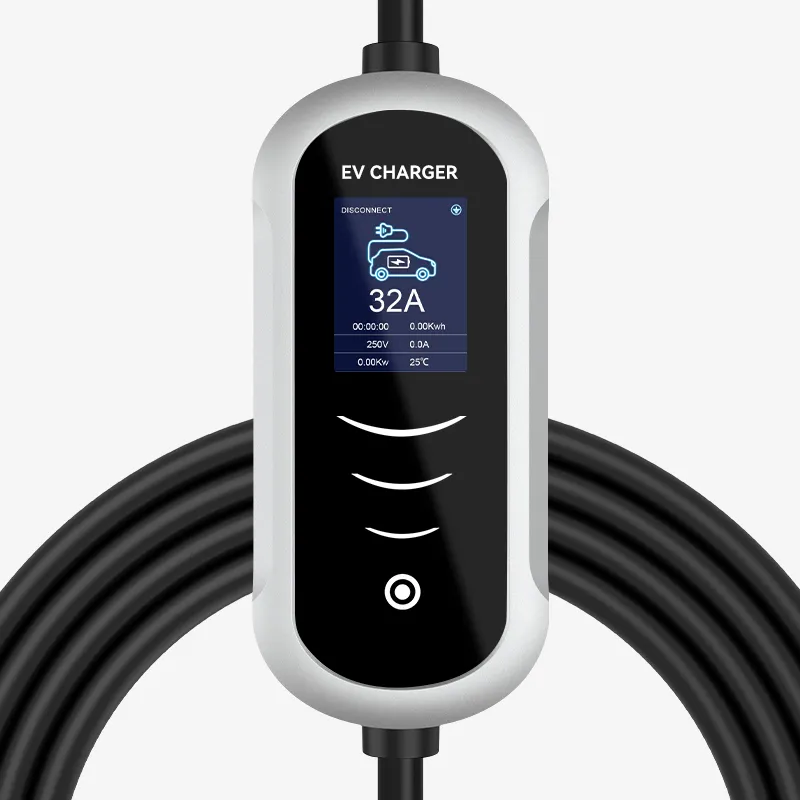
Recognize Normal Operation Signs of an EV Portable Charger
What expected behavior looks like: lights, sounds, and response time
A properly functioning EV portable charger provides clear feedback through visual, auditory, and timing cues. Upon connection, most units emit a faint hum (45 dB) and display specific LED patterns:
- Solid green: Power source detected
- Flashing blue: Vehicle communication established
- Steady blue: Active charging in progress
Response times should align with SAE J1772 standards, typically completing the vehicle "handshake" within 3–5 seconds, with charging initiation following within 15 seconds of plug insertion. According to 2023 EVSE performance benchmarks, 92% of successful charging sessions follow this sequence without error lights or disconnections.
Key indicators of healthy power delivery and vehicle handshake
Consistent power delivery is reflected in three measurable parameters:
| Parameter | Normal Range | Verification Method |
|---|---|---|
| Voltage stability | ±3% of rated voltage | Multimeter test at connector |
| Current consistency | ±5% fluctuation | EV dashboard readout |
| Temperature rise | <15°C above ambient | Thermal imaging during charging |
Healthy communication is confirmed when:
- The vehicle’s charging port locks automatically
- The dashboard displays real-time kW delivery matching the charger’s specifications
- No "ground fault" or "overcurrent" alerts appear in the vehicle or app interface
A 2024 Electric Vehicle Council study found that 87% of charging interruptions stem from deviations in these core metrics rather than hardware failure.
Perform a Systematic Visual and Physical Inspection
Checking for damage, wear, or deformation in the EV portable charger and cable
Before doing any inspection work, make sure everything is powered down and disconnected from electricity sources. Feel the whole length of the cable with your fingers looking for areas that feel squishy or thinner than others these could be signs something inside is damaged. Take a good look at the connectors too. Bent pins, rust spots, or plastic that looks melted are real problems we see in about one out of every five portable chargers when they get checked during safety tests. Don't forget to check where the cable meets the plug for cracks around those strain relief points, and double check that none of the inner wires are showing through. The body of the charger should look normal, not swollen or misshapen because that might mean there's been some kind of capacitor issue or overheating going on. Lastly, test how the charging port fits into the car socket. It needs to click firmly into place without any wiggle room otherwise there's a higher chance of electrical sparks forming between connections.
Interpreting LED status patterns specific to your EV portable charger model
LED lights give quick clues about what's going on when they power up. A solid green usually means everything's charging fine, but those fast red flashes? That's often a sign something's wrong with the grounding connection, which happens in around 6 out of 10 charger problems according to NFPA data from 2023. Check the owner's manual for specific signals related to your model. Some systems use amber blinking to show low voltage (below 200 volts) while others flash red and green together when components get too hot inside. It helps to keep notes on how the lights behave normally so strange patterns stand out. If something looks off, compare it with what shows up on the car's dashboard regarding charging speed to make sure everything matches up across the board.
Validate Charging Functionality with Controlled Testing
Step-by-step verification using a known-good outlet and compatible EV
Before trying out that EV portable charger, make sure the wall socket actually works. Plug something else in there first just to be certain. Always give those cables a quick once-over before connecting them to both the power source and car port. When everything goes right, the charger should light up with LEDs somewhere between 15 to maybe even 40 seconds after plugging it in, accompanied by those little click sounds that tell us everything's connected properly. Want to get really thorough? Grab a multimeter and take a peek at the voltage levels. For standard Level 1 charging setups, we're generally looking at around 108 to 132 volts according to those SAE J1772 guidelines most manufacturers follow. If all looks good, the indicator lights will stay steady and constant. But watch out if they start blinking or flashing erratically because that usually means something isn't quite right down there.
Monitoring real-time feedback: vehicle dashboard, app alerts, and charger response
Keep an eye on several different feedback systems at once when monitoring charging progress. Most vehicles will show their charging status on the dashboard within about two minutes, displaying power delivery in kilowatts that align with what manufacturers specify for portable chargers, usually somewhere between 1.3 and 1.9 kW. Smartphone applications ought to give live updates during charging sessions too, letting users track things like voltage stability where minor fluctuations of plus or minus 10 percent are generally considered normal. When looking at the lights on the charger itself, cross reference them against the troubleshooting section in your owner's manual. A steady green light means everything is working fine, but if the indicator turns amber color, that's probably time to check things out further. If the car charges slower than about three miles per hour, something might be wrong. And watch out for conflicting information appearing on different devices - when the dashboard shows one thing, the app another, and the physical charger yet another reading, this often points to problems with how these components communicate with each other, which typically needs someone qualified to look into it properly.
Diagnose Performance Using Tools and Manufacturer Benchmarks
Measuring output voltage and current to confirm EV portable charger compliance
Grab a multimeter and test the voltage and current at the output connector while the system is running. The numbers should match what comes out of your wall socket something around 240 volts give or take 10% if you're plugging into a standard NEMA 14-50 outlet and they need to meet those SAE J1772 requirements too. According to research published by EPRI last year, most working EV portable chargers keep their voltages pretty close to spec about 94% stay within just 5% variance. Let it charge for half an hour then feel around the plug handle for any unusual warmth. If it gets hot enough to burn fingers (we're talking over 140 degrees Fahrenheit or so), that could mean there's trouble inside the charger or the connectors are starting to wear out.
Cross-referencing charging rate and session data against spec sheet expectations
Check what the car says it's charging at versus what the manufacturer claims. Take note of both the kW rating and how many extra miles get added each hour. Let's say we look at a 7.2kW charger - most folks would expect around 22 to maybe 25 miles gained every hour. If it's only giving 4 miles worth though, something's probably wrong with either the amps coming through or how efficiently the system converts power. Have a peek at those telematics logs through the app on the car too. Watch out for when voltages drop more than 10 percent because that might mean problems with the electrical grid where you are or just an underperforming charger itself. According to some recent data from last year's infrastructure report, anyone seeing differences consistently over 15% really ought to call in someone who knows what they're doing for proper checks.
Identify and Resolve Common EV Portable Charger Failures
When an EV portable charger starts acting up, most problems can actually be fixed without calling in a pro. The first step is figuring out what kind of problem we're dealing with. If the charging works sometimes but not others, chances are good that the connectors are damaged somehow. Total failure usually means something's wrong with either the power supply or one of the internal parts. If there's any obvious damage like cracks in the housing or rust on those little metal contacts, stop using it right away. Only swap out broken bits with parts approved by the manufacturer because trying random replacements could create dangerous situations. Check those blinking lights against the manual too since people often misread them and end up fixing the wrong thing. Watch out for overheating as well. Make sure the charger has proper airflow around it and isn't sitting somewhere really hot. Running it continuously when temperatures hit around 100 degrees Fahrenheit will just make things break down faster. About a quarter of all charger problems come from software hiccups according to some recent studies, so try restarting both the charger itself and whatever vehicle system it connects to. For stubborn issues where nothing seems to work, check the voltage levels. Anything under 200 volts or fluctuating current definitely needs a professional look. And remember, messing with high voltage stuff yourself is never worth the risk. Leave that sort of repair job to folks who know exactly what they're doing with these kinds of electrical systems.
FAQ Section
What are the normal LED light patterns for an EV portable charger?
A normal functioning charger might show a solid green light indicating the power source is detected, flashing blue for vehicle communication, and steady blue during active charging.
How do I know if my EV charger is delivering power correctly?
Consistent power delivery is indicated by stable voltage and current levels within normal ranges (±3% for voltage and ±5% for current). You can verify these using a multimeter test or checking the vehicle dashboard readout.
What should I do if I notice unusual LED light signals?
Consult the owner's manual for your specific charger model to interpret unusual patterns. Red flashes might indicate grounding issues, while amber blinking could signal low voltage.
How can I perform a thorough testing of my EV charger?
First, verify that the power outlet is functional with another device, inspect cables for wear, and use a multimeter to check voltage levels. Monitor real-time feedback from the vehicle dashboard and app alerts.
How do I confirm my EV charger compliance with benchmarks?
Use a multimeter to measure output voltage and current, ensuring it meets SAE J1772 standards. If discrepancies are found, reference charging rate and session data against manufacturer specs for insights.