
 EN
EN
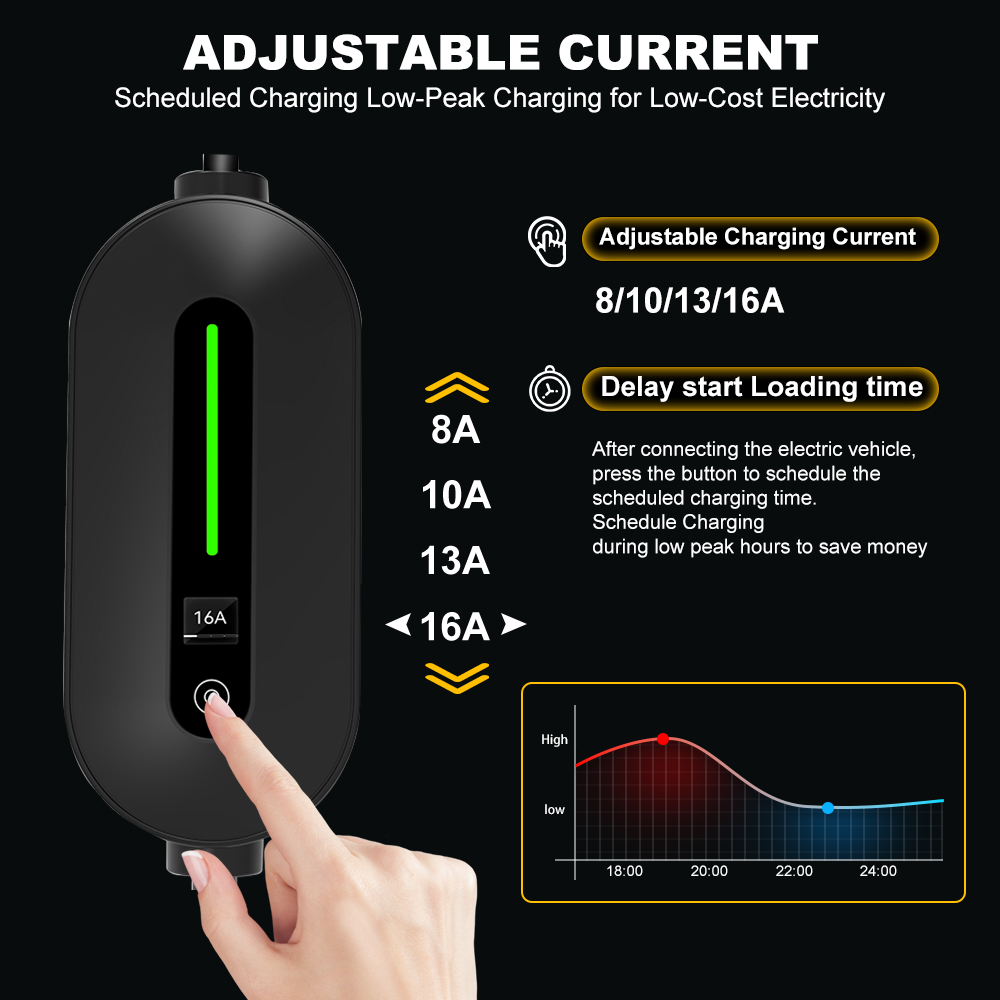
Power Output: Why EV Portable Chargers Typically Deliver Lower Charging Speeds
Level 1 vs. Level 2 Output Limits and Real-World Range Gain (mi/hr)
The power limits of portable EV chargers are pretty much set by what level they fall into. Level 1 models plug into regular 120V outlets like most homes have, but they only give about 1.4 kW of power. That translates to roughly 3 to 5 extra miles every hour of charging. Moving up to Level 2 portable options means needing a 240V outlet instead, which many households don't actually have installed. Even then, these units max out around 1.9 kW, adding somewhere between 6 and 8 miles per hour. While that's technically about 60% faster than Level 1, let's be honest it's still not fast enough for everyday driving needs. Take someone with a 40 mile round trip commute for instance. Charging their car with a portable unit would take anywhere from 5 to 13 hours depending on conditions. For people who need reliable charging without waiting all day, this just doesn't cut it in practice.
| Charger Type | Voltage | Power Output | Range Gain (mi/hr) |
|---|---|---|---|
| Level 1 | 120V | 1.4 kW | 3–5 |
| Level 2 | 240V | 1.9 kW | 6–8 |
kW Ratings Explained: How 1.4–1.9 kW Portable Units Compare to 7–11 kW Fixed Chargers
The kW rating basically determines how fast something charges, and here's where portable EV chargers fall short compared to their fixed counterparts. Portable models typically put out between 1.4 and 1.9 kW, which pales in comparison to the 7 to 11 kW capacity of fixed installations. The difference in power means huge variations in charging times too. A 1.9 kW portable will take around 12.5 hours or so to get back 100 miles of driving range, whereas a decent 7.4 kW fixed charger can do the same job in less than three hours flat. Fixed chargers manage those impressive rates of 35 to 40 miles per hour because they work off dedicated electrical circuits. They don't suffer from the heat issues, limited amperage at standard outlets, or voltage drops that plague most portable designs. Take an 82 kWh battery pack for example. Charging it completely takes well over 59 hours using a portable unit, but only about 11 hours when connected to a proper fixed installation. That explains why most people treat portable chargers as emergency options rather than relying on them day to day.
| Charger Type | Power Output | Range Gain (mi/hr) | Time to Add 100 Miles |
|---|---|---|---|
| Portable (Level 1) | 1.4 kW | 3–5 | 20–33 hours |
| Portable (Level 2) | 1.9 kW | 6–8 | 12.5–16.7 hours |
| Fixed (Level 2) | 7.4–11.5 kW | 35–40 | 2.5–2.9 hours |
Design Constraints Unique to EV Portable Chargers
Circuit Dependency, Outlet Limitations, and Thermal Throttling
EV portable chargers are fundamentally constrained by the electrical infrastructure they must share with everyday appliances. Unlike fixed stations, they depend on standard household outlets—which limit maximum output to 1.4–1.9 kW (12–16A). This reliance creates two critical bottlenecks:
- Circuit sharing risks: When other devices—like refrigerators, microwaves, or HVAC systems—operate on the same circuit, breakers trip at ≈80% load capacity, per NEC 2023 safety standards, halting charging entirely.
- Thermal throttling: Sustained operation pushes internal components beyond safe operating temperatures (≥104°F / 40°C), triggering automatic amperage reductions. Research indicates portable units may cut output by 15–20% during summer heat to protect cable integrity and prevent overheating.
These constraints are baked into the design—not temporary compromises—and explain why peak performance is rarely sustained in real-world conditions.
No Dedicated Circuit or Hardwiring: Impact on Sustained Power Delivery
Fixed chargers bypass portable limitations through permanent 240V connections and dedicated 40–50A circuits. This engineering approach enables consistent, high-power delivery without plug degradation or voltage instability:
| Factor | Portable Charger | Fixed Charger |
|---|---|---|
| Voltage | 120V | 240V |
| Circuit Type | Shared | Dedicated |
| Max Sustained Output | 1.9 kW | 11 kW |
Hardwired installations eliminate contact resistance and overheating risks at the plug interface, allowing uninterrupted power flow. As a result, fixed systems deliver up to six times faster charge times—with stable performance across seasons, ambient temperatures, and concurrent appliance loads.
Fixed EV Chargers: Engineering Advantages That Enable Faster, Reliable Charging
When it comes to charging speed, fixed EV chargers beat portable options hands down since they're built specifically for this job rather than being adapted from other uses. These installations work with special 240 volt circuits and include solid thermal management systems that keep them running at 7 to 11 kilowatts consistently without slowing down or triggering safety limits. The fact that they're permanently wired into the electrical system means there's no loss from plugging and unplugging, and their voltage control helps preserve battery health over time. What does all this mean in practice? Fixed stations can typically add back 25 to 35 miles of driving range each hour, which is almost three times faster than what most portable chargers manage. And when someone needs a complete overnight charge for their car, especially those with big 82 kWh batteries, nothing beats the steady performance of a properly installed fixed charger as the main charging option.
Real-World Charging Time Comparison for Popular EVs
82 kWh Battery: 0–100% on EV Portable Charger vs. 7.2 kW Wallbox
It takes around 41 hours to fully charge an 82 kWh battery from empty when using a standard 1.9 kW portable charger, provided everything goes perfectly without any heat issues or power disruptions. Things look much better with a 7.2 kW wallbox though, which can finish the job in approximately 10 hours. That's over four times faster than the portable option. Why such a big difference? Well, portable chargers typically only add about 3 to 5 miles of range per hour, whereas those fixed 7.2 kW systems pump out roughly 25 miles worth each hour. Portable units tend to struggle even more in real life situations too. Long charging sessions, hot weather, or trying to share circuits all cause performance drops. Fixed chargers don't have these problems because they're built with better cooling systems and isolated circuits that keep them running at full capacity regardless of outside factors.
Practical Daily Use: Overnight Top-Ups and Trip-Ready Scenarios
Most drivers don't really care about those maximum charging speeds we hear so much about. What matters is getting reliable power to cover everyday driving needs. Let's face it, if someone plugs in their car at night for 10 hours straight, a portable charger will only give them around 30 to maybe 50 extra miles on the meter. That works fine for short trips to work and back, but leaves little room when plans change unexpectedly. Fixed chargers tell a different story altogether. These installations typically add somewhere between 200 and 250 miles after a full charge, which means drivers can tackle last minute errands or weekend getaways without constantly checking their range anxiety clock.
-
Overnight top-up (starting at 50% battery):
- Portable: Adds 20–25 miles
- Wallbox: Adds 100+ miles
-
Trip preparation (8-hour charge):
- Portable: Adds ≈40 miles
- Wallbox: Delivers ≈200 miles
This disparity confirms that fixed chargers aren’t merely faster—they’re functionally necessary for drivers traveling more than 40 miles per day or requiring spontaneous long-distance capability.
FAQs
- Why do portable EV chargers have lower power output? Portable EV chargers deliver lower power output because they rely on standard household outlets, which limit their electrical capacity to around 1.4–1.9 kW.
- What is the range gain from a portable EV charger? A Level 1 portable charger typically adds 3-5 miles of range per hour, whereas a Level 2 unit provides about 6-8 miles per hour.
- Are fixed EV chargers better than portable ones? Yes, fixed EV chargers generally offer faster and more reliable charging due to their dedicated circuitry and higher power output, ranging from 7 to 11 kW.
- Why do portable chargers experience thermal throttling? Portable chargers often engage in thermal throttling due to inefficient heat management when sustained high amperage pushes the unit beyond safe operating temperatures.
- Can I use a fixed charger with a standard household outlet? No, fixed chargers require a dedicated 240V circuit rather than a standard household outlet.