
 EN
EN
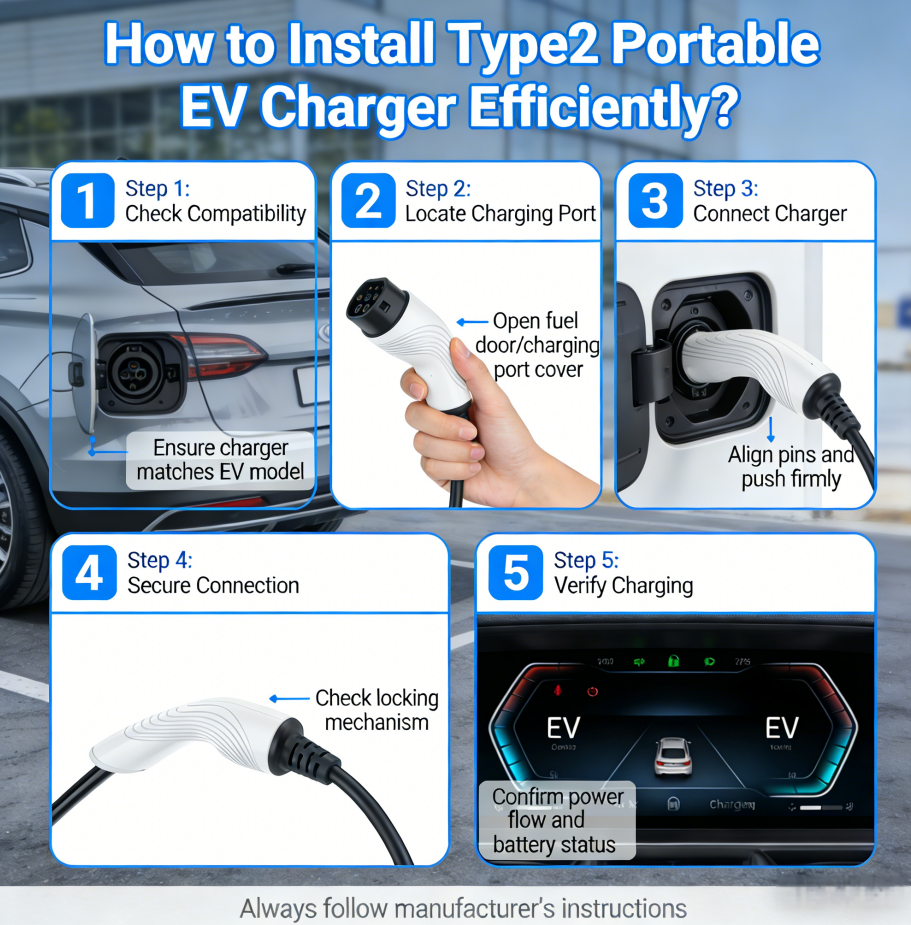
Electrical Requirements for Your Type2 Portable EV Charger
240V Circuit, NEMA 14-50 Outlet, and Voltage Compatibility
Type2 portable EV chargers need their own dedicated 240-volt circuit for proper Level 2 charging performance, which generally adds around 25 to 35 miles of driving range each hour. Most homes already have NEMA 14-50 outlets installed as the standard residential connection point for these kinds of devices, working well with both 208 and 240 volt electrical systems. Before getting started on installation, it makes sense to check what kind of voltage exists at home using a good quality multimeter. Some older electrical panels might require updates costing roughly $740 according to recent data from Ponemon Institute (2023). It's absolutely essential that a qualified electrician inspects whether the existing service panel can handle between 30 and 100 amps when powering the charger, plus ensuring everything meets safety standards outlined in NEC Article 625 regulations.
Dedicated Circuit, Breaker Sizing, and GFCI Protection Essentials
When it comes to electrical safety, having a dedicated circuit is absolutely essential. Shared circuits can lead to serious problems like overloads, tripped breakers, and even potential fire hazards down the road. The National Electrical Code recommends sizing breakers at 125% of what the charger needs continuously. So if we're looking at a 40 amp unit, we'd need a 50 amp breaker according to section 210.20(A) of the NEC. Ground Fault Circuit Interrupter protection becomes mandatory for all 120 or 240 volt outlets rated at 50 amps or below, including those NEMA 14-50 receptacles commonly used for EV charging stations, no matter where they get installed. For outdoor setups, make sure everything lives inside weatherproof enclosures with outlets positioned at least 24 inches off the ground surface. Indoors, keep things safe by maintaining an 18 inch distance between floor level and any combustible materials. Most modern charging equipment now comes equipped with built-in thermal sensors that will reduce power output when temperatures rise too high. These are great additions to have, but they don't eliminate the need for good old fashioned proper circuit planning and adequate ventilation space around the installation.
Step-by-Step Type2 Portable EV Charger Installation Process
Pre-Installation Verification: EV Compatibility and Site Readiness
Confirm your EV supports Type 2 AC charging—standard on all modern European and most North American models (e.g., BMW i4, Hyundai Ioniq 5, Ford Mustang Mach-E). Then assess site readiness:
- Verify presence of a dedicated 240V circuit with NEMA 14-50 outlet.
- Measure voltage at the outlet (should read 208–240V).
- Confirm cable length suffices to reach your parking spot without tension or sharp bends.
If any item is missing or noncompliant, engage a licensed electrician—do not proceed with DIY modifications.
Permitting, NEC Compliance, and DIY vs Professional Installation Guidance
Most places across the United States need permits before installing permanent EV charging stations. Licensed electricians take care of all the paperwork, get things inspected properly, and make sure everything meets National Electrical Code standards. That means they check grounding systems work right, install those ground fault circuit interrupters correctly, and size wires according to article 625 requirements. Although some very knowledgeable folks might think they can tackle this themselves, there's serious danger involved if something goes wrong. Wrong tightening on connections, wires that aren't thick enough, or messed up GFCI settings can lead to sparks flying, equipment breaking down completely, or even electrical shocks. Nobody wants their car charger to become a fire hazard or void their warranty just because they saved money trying to do it themselves. That's why hiring a pro makes so much sense when it comes to keeping everyone safe and getting reliable service from day one.
Safe Operation and Long-Term Use of Your Type2 Portable EV Charger
Proper Plug Engagement, Thermal Management, and Idle-Unplugging Protocol
Make sure both connectors are fully inserted into their respective ports on the vehicle and power source until they click securely into place. If not seated properly, the connection will create extra resistance which leads to hot spots and wears down the connectors faster over time. Always park in shaded areas with good air circulation when using the charger. When temperatures climb above 104 degrees Fahrenheit, efficiency drops by roughly 20% and components get stressed much quicker. Leave at least six inches of open space all around the charging unit, particularly important during those sweltering summer days. Pull the plug within half an hour once charging finishes to cut off that small but constant energy draw (about 3 watts per hour) and keep contacts from oxidizing. Check cables, plugs and housing visually every three months looking for any signs of damage like melting plastic, cracks or rust spots. These issues make up nearly three quarters of all fixable problems seen with Type 2 chargers in service.
Optimal Placement, Mounting, and Plug-in Flexibility
Location Strategy: Accessibility, Ventilation, Cable Reach, and Weather Considerations
Put the charging station within about 25 feet of where the car usually parks to keep the cord from getting stretched out every day. Look for spots that get some natural shade and good air movement around them. Don't install in garages that feel stuffy or on walls that face straight into the afternoon sun all day long. When putting one outside, make sure it has at least an IP54 rating so it can handle rain showers, dust storms, and humid conditions without issues. Run those wires along paths that aren't going to get stepped on or caught in doors. The National Electrical Code says no kinks or pinched cables either. Mounting on the wall close to the main electrical panel helps maintain better power flow and works more efficiently overall. If using a portable model, find a flat, steady spot somewhere not exposed to direct sunlight or damp areas. Never try to extend the reach with extra cords though - just move the whole unit if needed.
FAQ Section
Do I need a dedicated circuit for my Type2 portable EV charger?
Yes, having a dedicated circuit is essential for your Type2 portable EV charger to prevent overloads, tripped breakers, and potential fire hazards.
Should I hire a professional electrician for installation?
It's highly recommended to hire a professional electrician to ensure safe installation that complies with national standards, especially if permits are required.
Is Ground Fault Circuit Interrupter protection necessary for my EV charger?
Yes, GFCI protection is mandatory for all 120 or 240 volt outlets rated at 50 amps or below, including those used for EV charging stations.
How can I optimize the placement of my EV charger?
Place the charger within 25 feet of the usual parking spot and ensure it's in a shaded, ventilated area to enhance efficiency and protect against weather conditions.