
 EN
EN
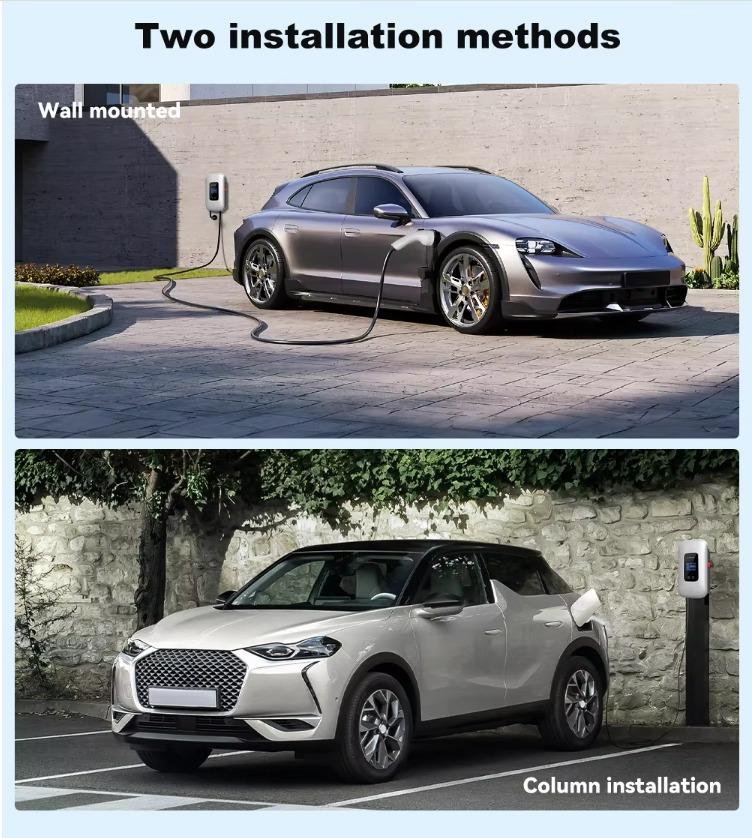
EV Charger Type 2 Electrical Requirements and Circuit Design
240V Dedicated Circuit: Amperage Sizing (32A–40A), Panel Load Assessment, and NEC 625 Compliance
For safe operation of Type 2 EV chargers, having a separate 240-volt circuit makes all the difference. This keeps the high power demand away from regular household circuits so we avoid those annoying overloads and voltage drops that can mess up other appliances. When it comes to amperage, most folks go with between 32A and 40A circuits. The bigger 40A option gives about 9.6 kW power output, which works great for getting most electric vehicles fully charged overnight. Before plugging anything in though, it's smart to get someone qualified to check what's already going on in the electrical panel. Studies show that roughly a quarter of home panels actually need upgrades just to handle the extra load without tripping breakers or creating fire risks according to the latest NEC standards. Following NEC Article 625 rules is absolutely critical here too. That means making sure there's ground fault protection installed, everything gets properly labeled, and wires are sized right for their job. Cutting corners on these requirements isn't worth the risk since violations can lead to fines around $500 each time they catch you, plus create serious safety issues down the road. It really pays off to bring in a licensed electrician who knows the local code changes related to NEC 625 when evaluating if the existing setup will work or needs modifications.
Wiring and Connector Selection: 6 AWG Copper for 50A Circuits, NEMA 14-50 vs. Hardwired Type 2 Configurations
When dealing with circuits up to 50 amps, go with 6 AWG copper wires since they handle heat better and resist breakdown during long periods of heavy load, which meets the standards outlined in NEC 310.15(B)(16). There are basically two ways to connect these systems: either through standard NEMA 14-50 outlets or by hardwiring everything together. The NEMA option gives some flexibility if parts need replacing later on, but constantly plugging and unplugging tends to wear things out faster, particularly when installed outside where moisture is always an issue. Hardwired connections cut down on potential problems at the outlet itself, work more efficiently over time, and last longer too. Most electricians recommend this approach for any permanent outdoor setup because it cuts maintenance headaches by around 40% in damp areas according to a study from Electrical Safety Journal back in 2023. No matter which connection method gets used though, anything placed outdoors needs proper protection inside enclosures that meet either NEMA 3R standards for basic weather protection against rain and snow, or go even higher with NEMA 4 enclosures that stand up to both corrosion and direct water spray from hoses.
Permitting, Code Compliance, and Inspection for EV Charger Type 2 Installation
NEC 625.41–625.44 Essentials: GFCI Protection, Labeling, and Conduit Requirements for Type 2 Chargers
The NEC codes from 625.41 through 625.44 set out basic safety rules for electric vehicle charging equipment. For Type 2 installations, Ground Fault Circuit Interrupters are absolutely required, not something that can be skipped over. These devices detect even tiny leaks in current, down to around 5 milliamps, and cut off power fast enough to stop shocks before they become deadly, usually within about 25 milliseconds. Every piece of equipment needs clear labels showing what voltage and amperage it handles, plus the manufacturer's name, model number, and important warning messages that emergency workers will need when responding to accidents. Any wiring that isn't fully enclosed has to go through protective conduits like rigid metal (RMC), standard electrical tubing (EMT), or special waterproof flexible metal conduit (FMC). This protects against things like accidental bumps, water getting in, and sun damage over time. Inside buildings, installers must mount units on materials rated to resist fire spread. Outside installations need tougher protection too, typically requiring NEMA 3R or 4 rated enclosures that stand up to harsh weather conditions. A recent report from the National Fire Protection Association in 2023 found that nearly three quarters of all recorded fires involving EV chargers happened because of poor grounding practices or missing GFCI protection. That statistic alone shows how critical following these safety standards really is for everyone involved.
Local Permit Process and Long-Term Risks of Skipping Inspection: Insurance Denial, Resale Complications, and Liability Exposure
In most areas across the country, getting a permit is required when installing EV chargers at home. These permits usually need things like load calculations, detailed site plans that show where all the wiring goes through walls and floors, plus documentation proving Ground Fault Circuit Interrupter (GFCI) protection works properly from certified testing labs. Permit approval typically takes around two to three weeks, but don't skip this step thinking it's just red tape. It actually serves a real purpose catching problems in the design before anyone turns on the power. Homeowners who bypass permits face serious issues down the road. For instance, if someone installs a Type 2 charger without proper authorization, their insurance company might deny coverage for fires caused by electrical faults in about 9 out of 10 cases according to Insurance Information Institute data from last year. When selling properties later on, any unauthorized electrical work must be disclosed to buyers which can knock anywhere between five and seven percent off what the house sells for as seen on Realtor.com in 2024. Even worse are situations where DIY mistakes lead to accidents or property damage. People who attempt their own installations risk massive personal liability costs. Recent court cases have shown negligence fines reaching over half a million dollars as reported by Ponemon Institute in 2023. That's why only qualified electricians who understand National Electrical Code section 625 requirements should handle these installations to avoid such pitfalls.
Strategic EV Charger Type 2 Placement and Mounting Best Practices
Optimal Location Criteria: Distance from Main Panel, Weatherproofing (NEMA 3R/4), Clearance, and Future-Proofing for Dual Chargers
Strategic placement directly impacts safety, performance, longevity, and adaptability. Prioritize these evidence-based criteria:
- Proximity to main panel: Install within 15–30 feet where feasible—reducing voltage drop, minimizing material costs (up to 40% savings), and simplifying conduit runs.
- Weatherproof enclosures: Outdoor units require NEMA 3R-rated housings (rain, sleet, windblown dust) or NEMA 4 (corrosion, hose-directed water)—never standard indoor-rated enclosures.
- Clearance space: Maintain NEC-mandated 36" of unobstructed front access and 24" of side clearance for serviceability; elevate cables ¥18" indoors or ¥24" outdoors to prevent tripping and abrasion.
- Future-proofing: Reserve panel space and headroom (e.g., 100A minimum subpanel capacity) to support a second charger—avoiding costly panel upgrades or rewiring later.
Ç è Critical note: 30% of DIY installations fail inspection due to undersized clearances or incorrect NEMA ratings (Electrical Safety Foundation, 2023).
Professional Installation vs. DIY: When to Hire a Licensed Electrician for Your EV Charger Type 2
Putting in a Type 2 EV charger means dealing with 240 volts and circuits that handle lots of amperage. This requires careful attention to details like proper torque when tightening connections, making sure grounds are continuous throughout the system, coordinating Ground Fault Circuit Interrupters correctly, and following all those NEC 625 rules about labels and paperwork. Many people who try doing this themselves end up creating safety issues they don't even realize exist. Common problems include hidden ground faults, wires getting too hot because they're not sized right, or improper conduit protection. According to the National Fire Protection Association report from 2023, these kinds of mistakes account for more than 70% of installations that fail after being put into service. Professional electricians have the real-world experience needed for load calculations, know how to get everything up to code standards during setup, and understand what permits are required locally. These pros check if GFCI devices will actually trip fast enough and at the right sensitivity levels, test whether the grounding system works properly, and prepare all necessary documents so both building inspectors and insurance companies accept the work. When we talk about life safety concerns, potential financial losses, and protecting investments in vehicles and property, hiring someone qualified isn't just better than DIY - it's really the minimum standard anyone should consider before plugging in their electric car.
FAQs
Do I need a dedicated circuit for a Type 2 EV charger?
Yes, a dedicated 240V circuit is required for safe operation, ensuring no interference with household circuits.
What is the amperage range recommended for these chargers?
Most units operate between 32A and 40A, with 40A offering optimal overnight charging for most EVs.
Why is professional installation recommended over DIY?
Professional installation ensures compliance with NEC 625, proper wiring, and minimizes risks associated with DIY errors.
What are the potential risks of skipping local permits and inspections?
Skipping permits can lead to insurance denial, resale complications, and liability exposure due to unauthorized installations.
What are the best practices for strategic placement of chargers?
The optimal location should be within 15–30 feet of the main panel, in a weatherproof enclosure, with adequate clearance and future-proofing considerations.
Table of Contents
- EV Charger Type 2 Electrical Requirements and Circuit Design
- Permitting, Code Compliance, and Inspection for EV Charger Type 2 Installation
- Strategic EV Charger Type 2 Placement and Mounting Best Practices
- Professional Installation vs. DIY: When to Hire a Licensed Electrician for Your EV Charger Type 2
-
FAQs
- Do I need a dedicated circuit for a Type 2 EV charger?
- What is the amperage range recommended for these chargers?
- Why is professional installation recommended over DIY?
- What are the potential risks of skipping local permits and inspections?
- What are the best practices for strategic placement of chargers?