
 EN
EN
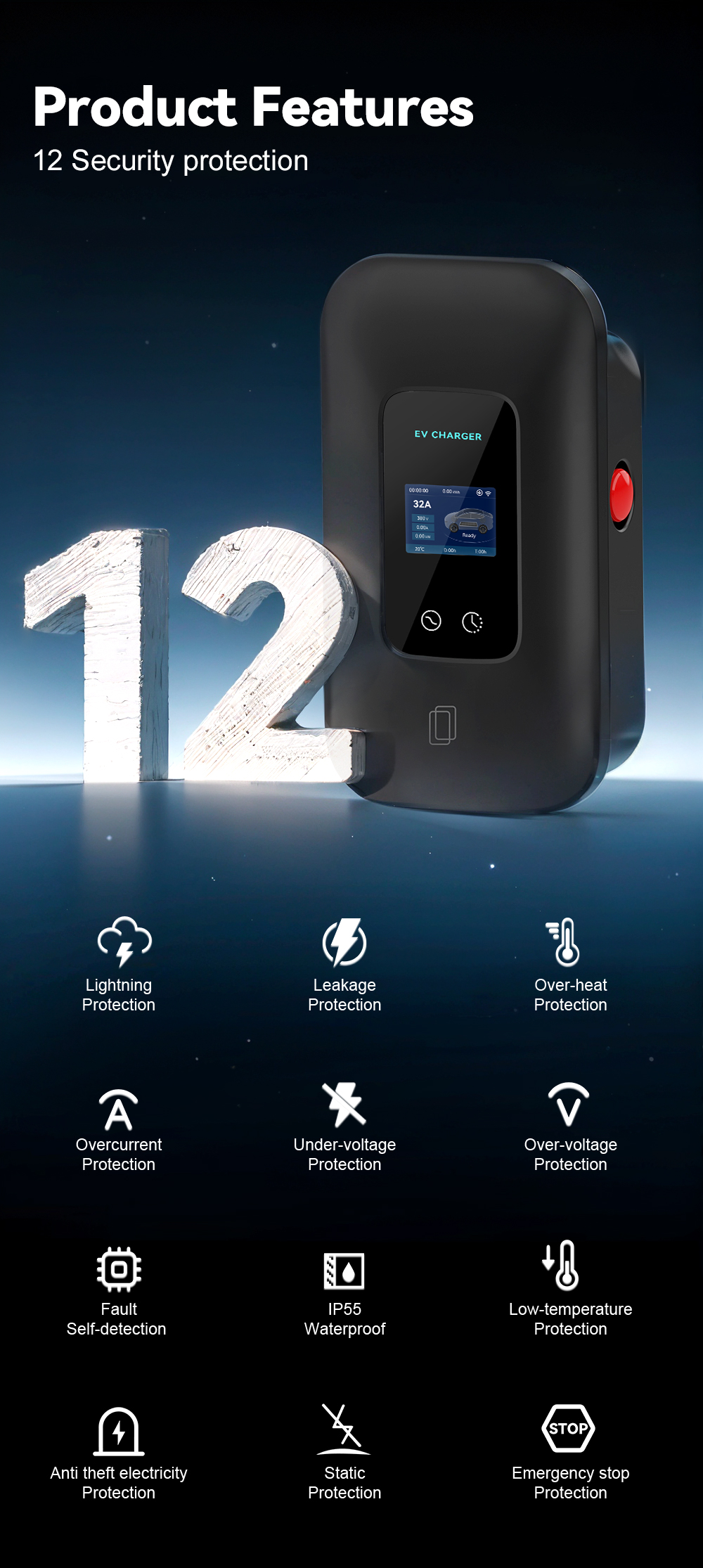
Core Electrical Safety for EV Chargers
Grounding, Insulation, and Ground-Fault Protection (GFCI/DCFC)
Getting proper grounding right means creating a path where stray current can safely escape instead of causing shocks when something goes wrong inside equipment. Good quality insulation protects metal parts from getting wet, dusty, or damaged physically which matters a lot especially when devices are used outside. Ground Fault Circuit Interrupters, commonly called GFCIs, shut off electricity really fast if there's even a small amount of current leakage above 4 to 6 milliamps according to the National Electrical Code standards from last year. For those Level 3 DC fast charging stations we see everywhere now, manufacturers add extra protection against direct current faults known as DCFC systems to reduce chances of fires and electrocution incidents. Looking at recent safety reports from 2023 shows that almost half (about 43%) of all problems with electric vehicle chargers come down to electrical issues. This explains why cheap knockoff units that don't have these built-in safety features like proper GFCI or DCFC protection represent serious dangers for anyone using them.
Control Pilot Signaling and Isolation Monitoring for Real-Time Fault Detection
The control pilot signaling system creates a safe two-way conversation between electric vehicle chargers and vehicles right before any electricity starts flowing. This process makes sure everything is properly connected and ready to go. For safety reasons, isolation monitoring keeps checking how well the insulation is holding up. According to international standards set by IEC 61851, the charging will stop immediately once the insulation resistance drops below 500 ohms per volt. This helps prevent dangerous electrical arcs and protects batteries from damage. Thermal sensors play their part too. When temperatures climb past 70 degrees Celsius (which is about 158 Fahrenheit), these sensors kick in and shut down the system. This extra protection becomes especially important during those long charging sessions that happen at public stations or workplace parking lots.
Thermal Management and Overheating Prevention in EV Chargers
Integrated Temperature Sensors and Automatic Thermal Shutdown
Keeping track of temperature in real time helps protect those power modules, connectors and PCB boards from damage. If the surrounding gets too hot or there's prolonged heavy usage pushing temps past what's safe, the system starts cutting back on current gradually rather than just shutting down completely. This prevents sudden disconnects that might mess up how the car's battery is managed. According to some recent data from the 2023 Electrification Report, overheating problems account for about a quarter of all EV charging issues. These days most systems are built with multiple sensors spread throughout and backup circuits so they keep working properly even when one sensor goes bad. That redundancy makes a big difference in day to day operations.
Optimized Ventilation and Heat Dissipation for 7–19.2 kW EV Chargers
Mid power AC chargers ranging between 7 to 19.2 kW need good cooling solutions during those standard charging sessions that last around 3 to 8 hours. The enclosures designed for convection enhancement have vents positioned just right to create this chimney effect airflow, all while still keeping their IP65 protection against weather damage intact. Thermal interface materials with high conductivity do a great job moving heat away from semiconductor components towards aluminum heat sinks. Smart variable speed fans kick in only when there's actual load on them, which cuts down both noise levels and overall energy consumption. When installing these units outside, proper solar shielding combined with an east west orientation makes a big difference in reducing direct sunlight exposure. This helps keep things cool enough so temperatures stay under 45 degrees Celsius or about 113 Fahrenheit, and studies show it can actually make components last around 30% longer before needing replacement.
Robust Cable, Connector, and Enclosure Design for Outdoor EV Chargers
NEMA 4/NEMA 4X Ratings, IP65+ Sealing, and Arc-Fault Prevention
When installed outside, electric vehicle charging stations need to handle all sorts of weather conditions including heavy rain, freezing temperatures, dust accumulation, saltwater exposure along coastlines, and general industrial wear and tear. That's why many manufacturers specify NEMA 4 or NEMA 4X rated enclosures when setting up charging infrastructure in areas prone to extreme elements. The IP65 rating means these units stay completely sealed against dust particles while still resisting powerful water jets from sudden storms or routine maintenance cleanings. Inside the equipment, there's an arc fault detection system that spots dangerous electrical arcs almost instantly and cuts off power before anything gets out of hand, which dramatically reduces the chance of fires starting. The cables themselves work across a wide temperature range from minus 40 degrees Celsius right up to plus 85 degrees, thanks to special materials that resist UV damage. These premium thermoplastic components keep their flexibility even after thousands of connection cycles, making them ideal for locations where environmental challenges are constant concerns.
Certifications and Regulatory Compliance for EV Chargers
UL 2202 (North America), IEC 61851 (Global), and ISO 15118 (Smart Charging Security)
Third party certification isn't just something nice to have it's absolutely essential for ensuring EV charger safety and making sure different systems can work together properly. The UL 2202 standard specifically checks that chargers are protected from electrical shocks, fires, and mechanical breakdowns throughout North America. Then there's IEC 61851 which sets out what needs to happen worldwide when it comes to plugging in vehicles electrically. This includes things like constantly checking insulation levels and having emergency stop features built right in. ISO 15118 goes even further by creating secure connections between cars and their charging stations through encryption and mutual verification processes. According to data from the Electrical Safety Foundation back in 2023, following these standards cuts down on legal risks during installation by around three quarters while also avoiding expensive problems where different equipment doesn't play nicely together. If someone skips getting proper certifications they could face fines over $120k each time according to NEC Article 625 regulations. Meanwhile, those who do get certified typically see their equipment running smoothly about 98% of the time even when temperatures swing wildly from as cold as minus 40 degrees Celsius all the way up to scorching hot 50 degree weather conditions.
FAQ Section
What is the importance of grounding in EV chargers?
Proper grounding creates a safe path for stray currents, preventing shocks and potential hazards in the event of an equipment failure.
How do GFCI and DCFC systems enhance safety?
GFCI shuts off electricity quickly upon detecting a small current leak, while DCFC systems provide protection against direct current faults to prevent fires and electrocution.
Why is temperature management crucial for EV chargers?
Real-time temperature tracking protects components from damage, while integrated sensors prevent overheating issues and ensure safe operation during long charging sessions.
What are the benefits of certifications like UL 2202 and IEC 61851?
These certifications ensure safety, interoperability, and compliance with international standards, reducing legal risks and enhancing system reliability.
How do outdoor EV chargers stay safe from weather elements?
With NEMA-rated enclosures and IP65 sealing, chargers resist dust, water, and other environmental factors while arc fault detection prevents electrical fires.