
 EN
EN
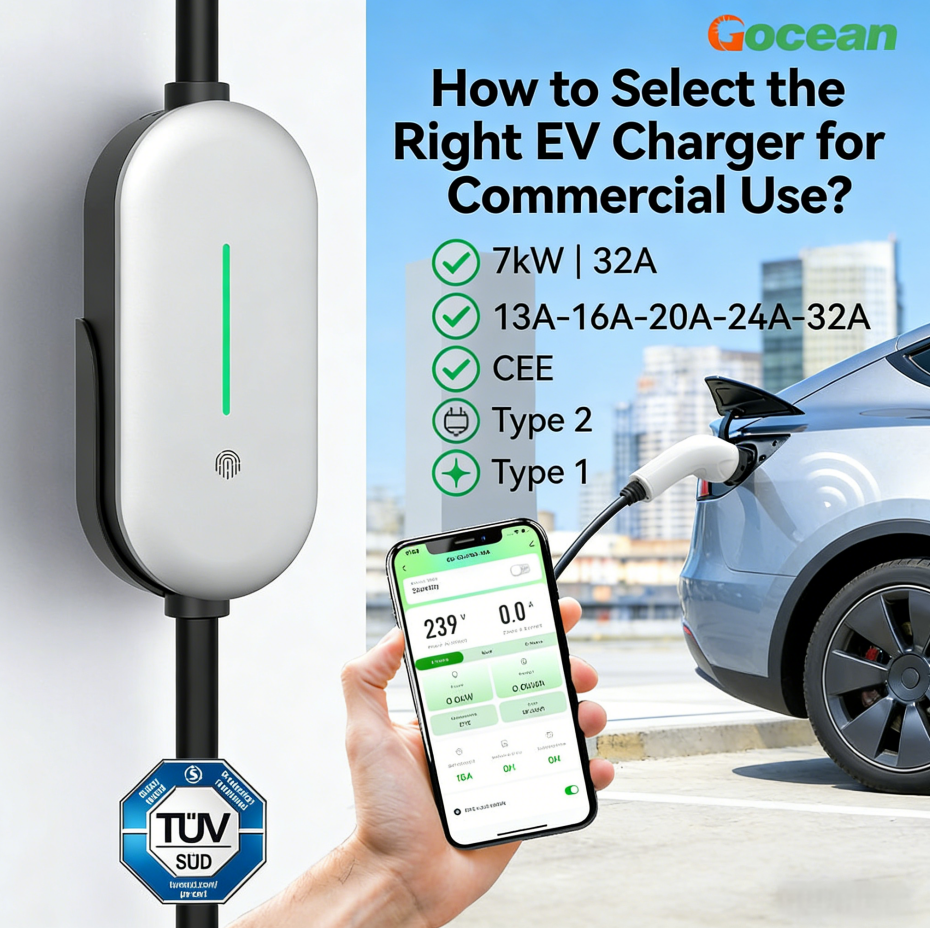
Match EV Charger Type to Commercial Use Case and Dwell Time
Level 2 vs. DC Fast Charging: Operational Trade-offs for Retail, Workplace, and Multifamily Sites
Level 2 electric vehicle chargers put out between 7 and 19 kilowatts, which adds anywhere from 12 to 80 miles of driving range every hour. These work best when cars stay parked for long stretches like at offices or apartment buildings. On the other hand, DC Fast Charging or DCFC stations are much faster, giving drivers around 100 to 200 miles in just about 20 to 30 minutes. However, these fast chargers need special electrical connections called 480V three phase power, and they cost way more to install compared to regular Level 2 units. The price tag can easily go over $50k per station sometimes. Places like gas stations near highways or quick stop locations benefit most from DCFC since people don't want to wait around too long. Most apartment complexes skip DCFC altogether because it's expensive upfront and doesn't fit well with how residents park their cars overnight. Workplaces usually mix things up though. They'll install Level 2 chargers for employees who park for 2 to 8 hours, while putting DCFC options near entrances or visitor spots so customers with tight schedules can charge quickly before leaving.
Aligning Charging Speed with Customer Dwell Time: Data-Driven Thresholds (e.g., <30 min − DCFC; 2−8 hrs − Level 2)
Matching charging speed to typical dwell time is critical for user satisfaction, infrastructure utilization, and ROI. Industry analysis confirms clear operational thresholds:
- Under 30 minutes: DCFC is essential—delivering an 80% charge in 20−40 minutes. This aligns with the needs of highway rest stops, quick-service retail, and gas stations.
- 30 minutes to 2 hours: A strategic mix of DCFC and Level 2 delivers flexibility—DCFC serves time-constrained visitors, while Level 2 accommodates diners, shoppers, or clinic patients.
- 2−8 hours: Level 2 dominates, reliably adding 200+ miles over a workday or overnight stay—making it optimal for offices, apartments, and hotels.
| Dwell Time | Recommended Charger | Range Added | Ideal Use Cases |
|---|---|---|---|
| <30 minutes | DCFC | 100−200 miles | Gas stations, quick-service retail |
| 30 min − 2 hours | DCFC/Level 2 mix | 25−150 miles | Malls, medical centers |
| 2−8 hours | Level 2 | 50−300 miles | Offices, apartments, hotels |
For dwell times exceeding 8 hours—such as long-term airport or municipal parking—Level 2 remains the most cost-effective and reliable choice. Applying this framework prevents overspending on underutilized DCFC capacity while ensuring drivers receive appropriate charging speed for their visit.
Assess Electrical Infrastructure and Load Management for Scalable EV Charger Deployment
Panel Capacity, Voltage Requirements, and Site-Specific Constraints (e.g., trenching, utility interconnection)
Commercial properties thinking about installing EV charging stations should first get their electrical systems checked out by a licensed professional. The electricians will look at things like how much power the existing panels can handle, what voltages are available on site, and any physical limitations that might exist. Most Level 2 chargers need circuits running between 208 and 240 volts with amperage ranging from 30 to 80 amps. For DC fast charging options, the requirements jump significantly since these usually need 480 volts from a three-phase service which many buildings simply don't have unless they invest in transformer upgrades. Real world problems pop up all the time too. Sometimes there's the hassle of digging trenches underground for those conduits or dealing with delays when connecting back to the main utility grid. These kinds of issues often push back completion dates anywhere from six to twelve months. A recent report from the Electrification Coalition suggests around two thirds of businesses actually need their electrical panels upgraded just to install four basic Level 2 charging spots. Getting ahead of things by mapping out where conduits should go, figuring out transformer locations, and leaving room for growth down the road saves money in the long run and makes scaling up operations much smoother later on.
Why Dynamic Load Management Is Essential for Multi-Unit EV Charger Installations
Dynamic Load Management or DLM systems work by spreading out electricity between several electric vehicle chargers as they operate. This helps avoid overloaded circuits while getting the most out of what's available. When there's no DLM system in place, having multiple cars charge at once can be problematic. Think about places like trucking company lots or big apartment garage spaces where sometimes around half the cars want to charge when everyone gets home from work. Without proper management, these situations often cause circuit breakers to trip and leave people waiting. What makes DLM so useful is how it shifts power around according to set priorities and regular usage habits. The result? Property owners can fit roughly two and a half times more charging stations onto their current electrical setup. For buildings with multiple tenants, this means saving tens of thousands on expensive electrical upgrades each time they want to expand capacity. Instead of spending $50k plus for every extra 100 amps needed, building managers can roll out new chargers gradually without breaking the bank or compromising safety standards.
Choose Future-Proof, Certified EV Charger Hardware and Vendor Support
Critical Durability & Safety Standards: IP65+, UL 2594, and Wide-Temperature Operational Range
Commercial electric vehicle chargers need to handle tough conditions while meeting strict safety standards. Chargers with an IP65 rating can keep out dust and withstand powerful water jets, which makes them ideal for places where they might get hit by rain, snow, or even pressure washers during maintenance. The UL 2594 certification is pretty important too because it checks if the charger handles fires safely, protects against power surges, and tolerates faults without failing completely. According to recent energy safety reports from 2023, these certified units cut down on electrical failures by around three quarters compared to ones without this certification. Most modern chargers work well in temperatures ranging from minus 30 degrees Celsius all the way up to 55 degrees Celsius. That means they perform reliably whether installed in areas experiencing scorching summers or freezing winters. Such durability helps maintain charging efficiency over time and often lets the hardware last more than a decade even when used frequently at busy locations.
Vendor Evaluation: Warranty, Firmware Updates, and Modular Repairability
When looking at vendor options, make sure they offer a minimum 3 year warranty covering both parts and labor. According to recent data from the 2024 Fleet Operator Survey, this kind of coverage can actually cut overall ownership costs by around 34% over time. Don't forget to check what their plans are regarding firmware updates too. Standards such as OCPP 2.0 keep changing, so it's important that security patches get regular attention. The ability to replace just specific parts makes all the difference when it comes to repairs. Instead of swapping entire units every time something breaks down, technicians can fix payment terminals or replace worn out cable connectors. This approach reduces maintenance delays by roughly 80%, which adds up significantly over months and years. Service level agreements matter just as much. Look for companies who promise someone will show up at your location within 24 hours if needed. Many top players in the market have started incorporating remote diagnostic tools these days. These systems spot potential problems early on before they turn into actual outages, keeping those critical charging stations running smoothly without interruption during peak business hours.
Enable Revenue, Access Control, and Smart Operations Through Integrated EV Charger Software
Payment Models and ROI Impact: Per-kWh, Per-Minute, and Subscription Options by Commercial Segment
Integrated software transforms EV charging infrastructure into a flexible, revenue-generating asset—by tailoring billing models to each site's operational rhythm and user behavior.
- Retail (<30-minute dwell): Per-minute billing captures value from high-turnover sessions during peak shopping hours—generating 23% more revenue than flat-rate alternatives (Electrify America, 2023).
- Workplace: Subscription models provide predictable monthly income while boosting employee retention and simplifying access management.
- Multifamily: Per-kWh pricing ensures fairness and transparency—reducing billing disputes and administrative overhead—while supporting equitable cost recovery across residents.
| Commercial Segment | Optimal Payment Model | ROI Advantage |
|---|---|---|
| Retail | Per-minute | High revenue from transient users during brief visits |
| Workplace | Subscription | Steady income stream + employee retention benefits |
| Multifamily | Per-kWh | Fair billing tied to usage; reduced administrative disputes |
Subscription models also reduce customer acquisition costs by 17% on corporate campuses (2024 Fleet Operator Survey). Always verify compliance with state regulations—28 states prohibit resale restrictions—and ensure integrated payment gateways meet PCI-DSS standards to avoid penalties up to $740,000 (Ponemon Institute, 2023).
FAQs
What is the main difference between Level 2 and DC Fast Chargers?
Level 2 chargers deliver 7 to 19 kilowatts, adding 12 to 80 miles of range per hour, ideal for long parking times. DC Fast Chargers provide 100 to 200 miles in 20 to 30 minutes, suitable for quick stops but require 480V connections and higher installation costs.
Why choose Dynamic Load Management for EV charging stations?
Dynamic Load Management allocates power efficiently across multiple chargers, preventing circuit overloads and enabling more charging stations without significant electrical upgrades, effectively saving costs and improving capacity management.
How do integrated software payment models affect EV charger revenue?
Integrated software allows for flexible billing models like per-minute, per-kWh, and subscriptions tailored to site needs, maximizing revenue by aligning with user behavior and site operation, while ensuring compliance with regulations.
Table of Contents
- Match EV Charger Type to Commercial Use Case and Dwell Time
- Assess Electrical Infrastructure and Load Management for Scalable EV Charger Deployment
- Choose Future-Proof, Certified EV Charger Hardware and Vendor Support
- Enable Revenue, Access Control, and Smart Operations Through Integrated EV Charger Software
- FAQs